World news and discussion on TalkFuse.
What’s in the UK-EU relationship reset draft – and what else is at stake for Burnham?
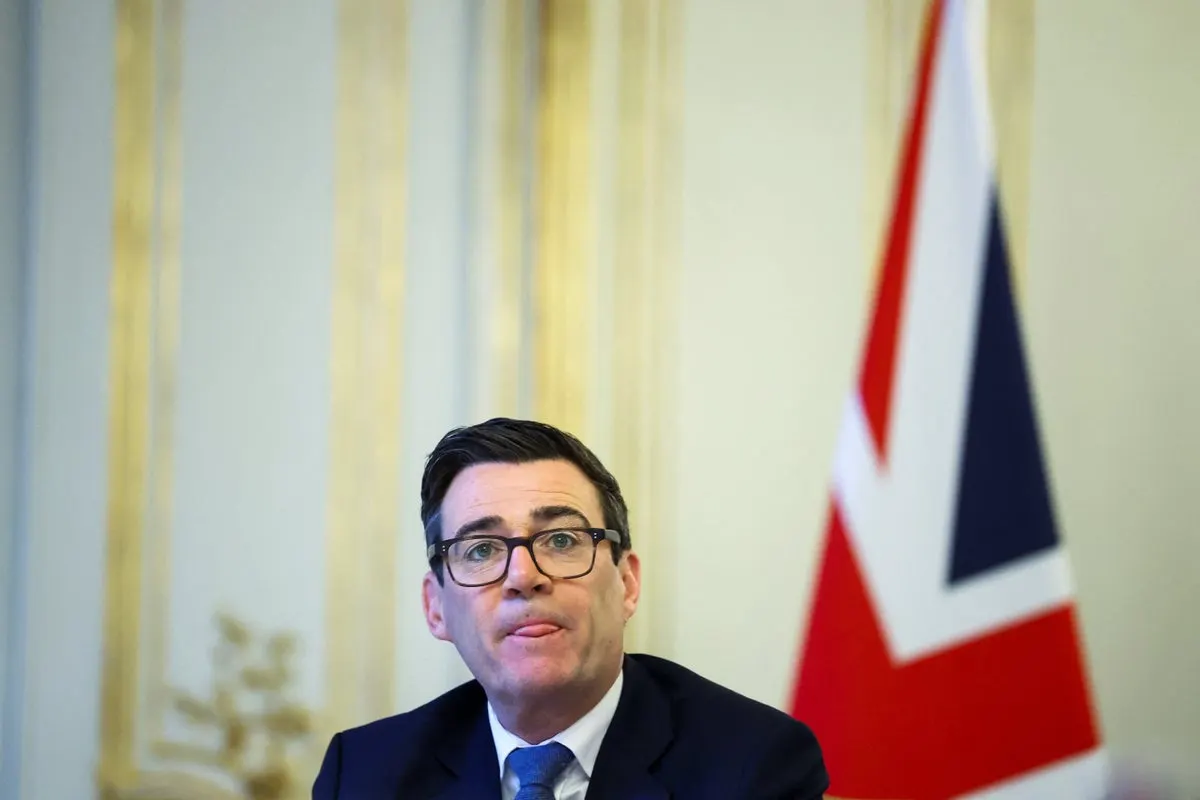
The UK and EU are preparing a “reset” agreement that could ease some post-Brexit barriers and improve trade and travel. Prime Minister Andy Burnham hopes the Brussels summit will mark the start of closer ties and support economic growth, but the meeting must succeed before he can advance that ambition.
A leaked draft proposes a youth mobility scheme allowing stays of up to three years, though its start date and annual places remain disputed: the UK wants 50,000 to 80,000 places, while the EU wants at least 100,000. Other proposals include lower or equal tuition fees for students, removing food and drink border checks from March 2028 in return for alignment with EU standards, support for touring artists, and UK participation in the EU electricity market by 2027. The plans could face domestic opposition over migration and regulatory alignment, while requiring agreement with EU partners.
In short
- The UK and EU are discussing a post-Brexit reset.
- Youth mobility numbers and timing remain unresolved.
- Food trade and electricity links are also on the table.
Steelman: both sides, in good faith
The strongest fair case each way — we don't pick a winner.
The case for
Supporters argue that a closer UK-EU relationship could reduce trade barriers, widen opportunities for young people, students and touring artists, and improve access to the electricity market. They see agreement on shared standards as a practical way to ease checks and support growth while preserving cooperation with European partners.
The case against
Critics may argue that easier movement for young people and alignment with EU standards could constrain the UK’s control over migration and regulation, while the benefits remain uncertain and depend on EU agreement. They may also question whether the proposed places and timing are acceptable, or whether the concessions required are proportionate to the expected gains.
Explained simply
The UK left the European Union in 2020, ending its membership of the bloc’s single market and customs union. New checks and rules followed for trade, travel and other exchanges, and governments on both sides have since discussed ways to make cooperation easier while keeping the UK outside the EU.
Any closer arrangement would involve decisions by the UK government and EU member states, whose agreement is needed for a deal. Proposals such as easier movement for young people, fewer checks on food and drink, and access to EU programmes could bring practical benefits, but may also require shared rules or affect migration and education policy.
For the UK prime minister, the talks are part of a wider effort to support economic growth and define the country’s relationship with Europe. The outcome could shape trade and other links for years, while testing how much closer cooperation can gain support in Britain and across the EU.
Europe Geopolitics Politics UK World