What’s NOT in the Budget? Healey kicks tough decisions on cutting benefits and funding defence down the road in safety-first Budget that could pave the way for early election
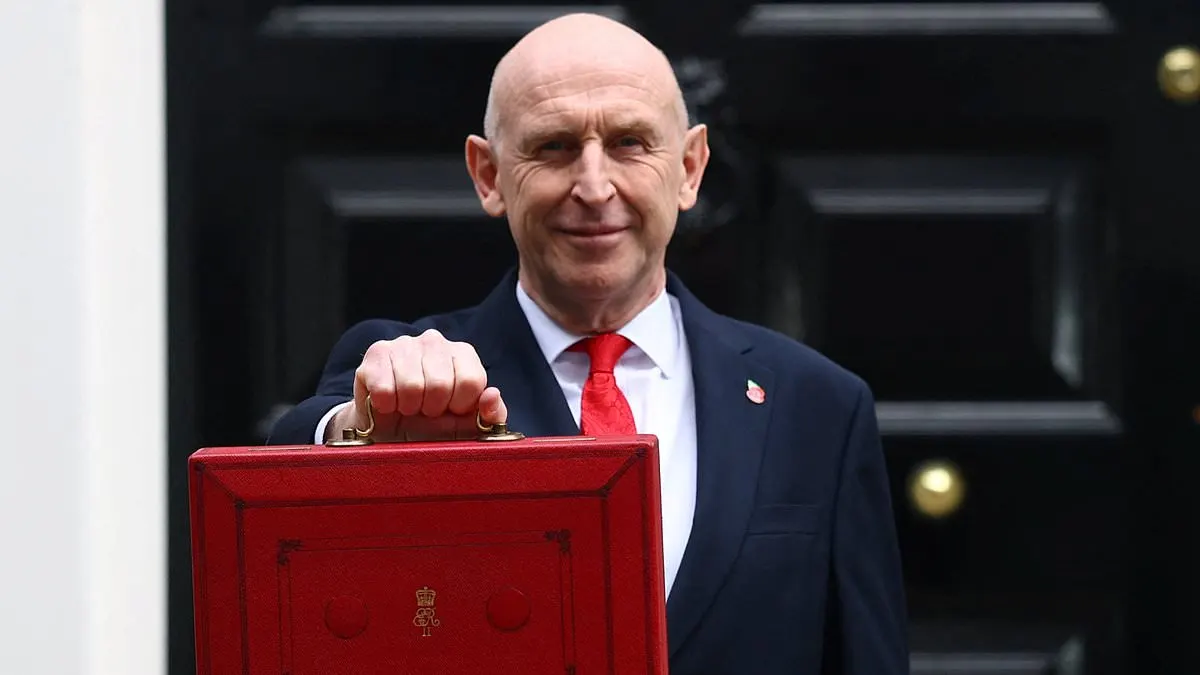
Chancellor John Healey’s Budget postponed decisions on reducing welfare spending and funding higher defence spending, while ruling out calls from some Labour MPs for wealth taxes. The approach drew criticism from the Conservatives and a think tank, and opposition parties said the cautious Budget could help clear the way for an early election.
Healey said the Government would respond to reviews of youth unemployment and disability benefits before the end of the year, with a white paper and legislation to follow next year. Welfare spending is forecast to reach £100 billion a year by 2030, but ministers have said the reviews are not expected to deliver savings soon. Defence spending is currently projected to rise from 2.6 to 2.7 per cent of GDP by the end of the decade; Healey said details on meeting the 3.5 per cent NATO commitment by 2035 would come at the 2027 spending review, with 3 per cent in 2030 described as a target.
In short
- The Budget delayed major decisions on welfare cuts and defence funding.
- Welfare spending is forecast to reach £100 billion a year by 2030.
- A defence spending plan is due at the 2027 spending review.
Steelman: both sides, in good faith
The strongest fair case each way — we don't pick a winner.
The case for
Deferring decisions gives the Government time to assess the welfare reviews and set out reforms with evidence, rather than rushing changes that could harm people who depend on support. It also allows ministers to plan how to meet higher defence commitments alongside other spending needs, while avoiding tax rises they judge would burden wealth creation.
The case against
Leaving welfare savings and defence funding unresolved risks postponing difficult choices until they become more urgent, while spending pressures continue to grow. Critics can argue that the public deserves a clear, credible plan now for protecting the benefits system and meeting defence commitments, and that delaying it may serve electoral caution more than responsible budgeting.
Explained simply
The Budget is the Government’s plan for taxes and public spending. It sets out choices about services and support, including welfare benefits, and how much money is available for areas such as defence.
John Healey is the Chancellor, responsible for setting the Government’s budget plans. Ministers are reviewing youth unemployment and disability benefits, while the Government has also committed to raising defence spending; decisions on how to meet those aims affect public finances and the services they fund.
Welfare spending is forecast to reach £100 billion a year by 2030. NATO members have agreed a defence spending commitment for 2035, so the timing and funding of the UK’s planned increases are matters of public debate.
Art Business Culture Elections Markets Politics World