World news and discussion on TalkFuse.
What’s really behind the post-midterm ‘neocon’ smear?
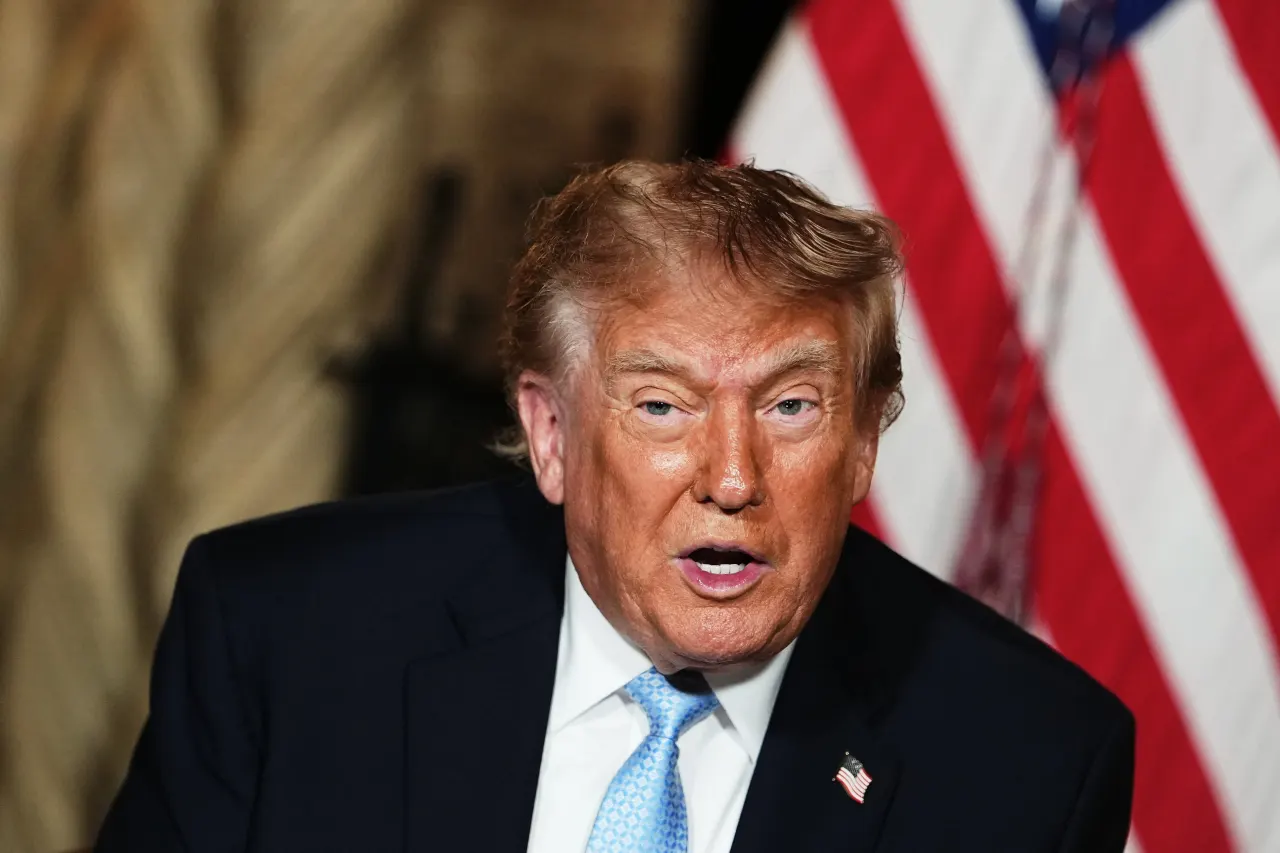
The article argues that the post-midterm fight over “neoconservatism” on the right is being mischaracterised. It says the term is sometimes used to suggest that Jewish and pro-Israel figures have taken control of the Trump administration, but the real dispute is between MAGA supporters who favour limited military action and those who favour isolationism.
It traces neoconservatism from former Democrats who backed Ronald Reagan’s Cold War stance to support for the Afghanistan and Iraq wars after 9/11, which the author says helped end the movement. Trump, the article argues, is better described as a “Jacksonian”: willing to use force in limited strikes, but opposed to ground invasions and nation-building. It says supporters of action against Iran followed that approach, while the text ends mid-argument, saying Jacksonians thought the bombing stopped too soon, on day 38.
In short
- The article frames the MAGA divide as Jacksonians versus isolationists.
- It argues Trump’s Iran policy was not traditional neoconservative nation-building.
- The article links the neocon label to claims about Israel and Jewish influence.
Steelman: both sides, in good faith
The strongest fair case each way — we don't pick a winner.
The case for
The article’s distinction may clarify a genuine argument within the right: support for limited force to deter or punish adversaries does not necessarily imply support for the large invasions and nation-building associated with earlier neoconservative policy. On this view, describing Trump as a Jacksonian helps explain why some supporters favoured action against Iran while opposing a prolonged war, and why the debate is better understood as one about the scope of American military engagement.
The case against
The article’s framing may understate how much the label “neoconservative” can describe a broader interventionist outlook, rather than only support for ground invasions and nation-building. Critics could argue that limited strikes can still widen conflicts, create pressure for further military action and reflect assumptions about American power that isolationists reject; they may therefore see the dispute as more than a semantic misunderstanding or a choice between two styles of force.
Americas Elections Middle East Politics World