What’s really in your supermarket Wagyu – and that £11 patty from Burger King: How the most expensive meat on Earth has turned into something so dry, bland and deeply boring: TOM PARKER BOWLES
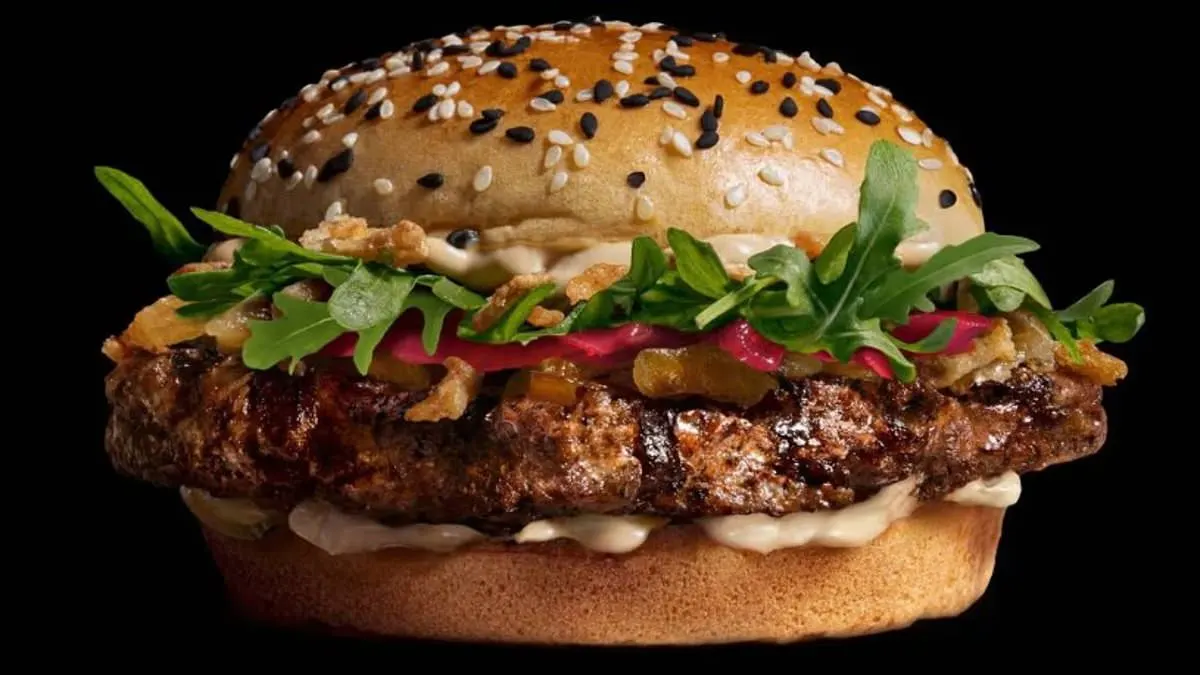
The article examines how Wagyu, prized for its rich marbling and high price, became a label on supermarket products and a Burger King burger costing about £10.99. It questions whether these affordable products offer the qualities associated with premium Japanese beef, and argues that marketing can blur important distinctions.
Wagyu means “Japanese cow” and refers to four breeds born, raised and finished in Japan; Japanese Black accounts for about 97 per cent of the country’s Wagyu. The article traces the breed’s history from working cattle, through periods of isolation and later selective crossbreeding, and asks whether lower-priced products match the reputation built around authentic Japanese Wagyu.
- Wagyu is appearing in burgers and supermarket products at accessible prices.
- Japanese Black makes up about 97 per cent of Japan’s Wagyu.
- The article questions how much the Wagyu label tells shoppers.
New here? Start with this
Wagyu means “Japanese cow” and refers to four cattle breeds raised and finished in Japan. Japanese Black makes up most of Japan’s Wagyu and is known for the fine streaks of fat, called marbling, that can make its beef especially rich.
The cattle were once used for farm work, and the qualities now prized in their meat developed through selective breeding over time. Wagyu sold outside Japan may come from related cattle or crossbreeds, so the name alone does not tell you where the animal was raised or how closely the meat matches Japanese Wagyu.
This matters because “Wagyu” is used on products at very different prices, from premium cuts to supermarket food and burgers. Knowing what the label does and does not guarantee can help explain why those products may differ in taste, texture and origin.
Both sides, in good faith
The strongest fair case each way — we don't pick a winner.
The case for
Wagyu’s growing presence in supermarkets and fast-food chains can make a once rare and costly food more accessible, letting more people try beef marketed for its marbling and distinctive character. If labels clearly explain where the cattle were bred and raised, and what standards the product meets, affordable versions can offer a legitimate choice without claiming to be identical to premium Japanese Wagyu.
The case against
Using the Wagyu name on inexpensive products may lead shoppers to expect the rich marbling and flavour associated with Japanese beef, even when the meat’s origin, breeding or production differs substantially. Critics argue that this blurs meaningful distinctions, risks disappointing consumers and trades on a premium reputation without delivering the qualities that created it.