Business news and discussion on TalkFuse.
What’s the biggest IMAX theater in the world? It depends who you ask
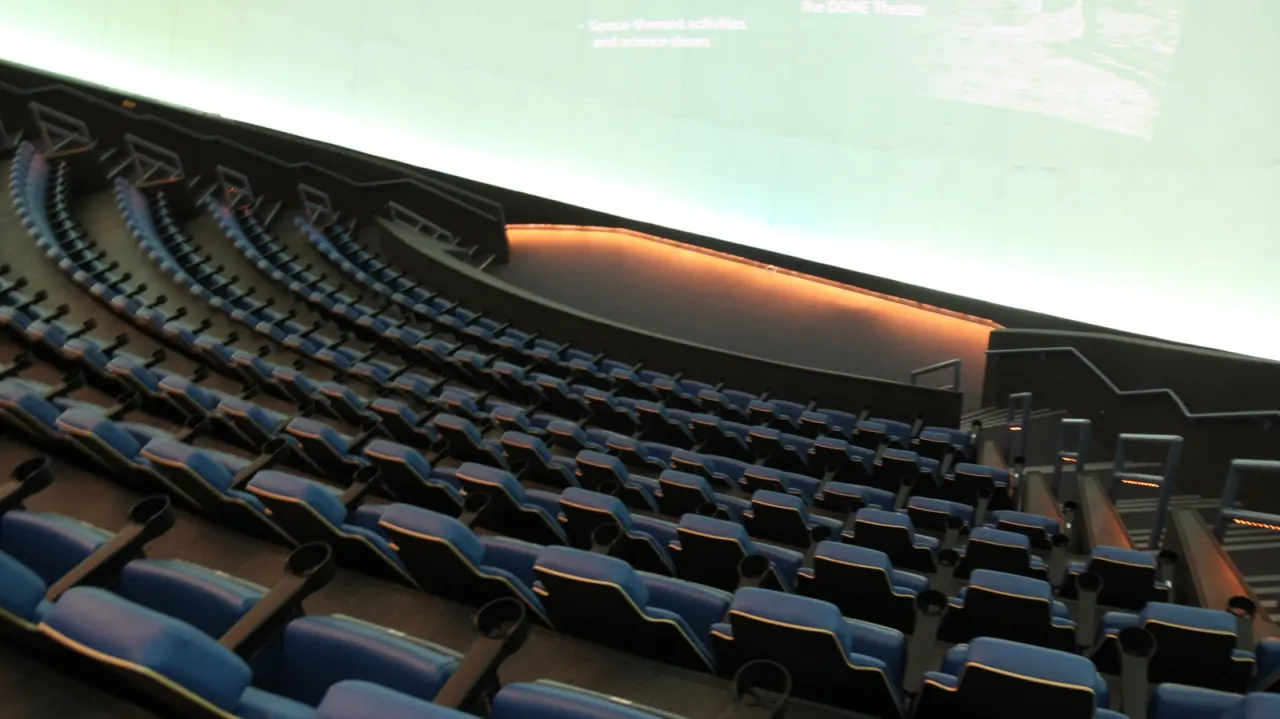
The popularity of Christopher Nolan's *The Odyssey*, and anticipated demand for *Dune: Part 3*, has reignited debate over which IMAX screen truly deserves the title of "biggest in the world". The answer depends on how you define "biggest", since IMAX cinemas vary considerably between digital and 70mm film formats, and enthusiasts argue that size alone doesn't capture the full picture of quality and immersion.
By sheer surface area, the largest is the digital IMAX screen at the Traumpalast Leonberg cinema in Germany, measuring 127 feet wide by 69 feet tall (roughly 8,770 square feet) and officially recognised by Guinness World Records in 2023. However, purists dismiss such digital screens as "LieMax" because they use a wider 1.90:1 aspect ratio and lack the resolution of IMAX's premium 15/70mm film format, which has a squarer 1.43:1 ratio and is claimed to be ten times sharper than 35mm. On that measure, Melbourne's IMAX theatre, at about 105 by 75 feet, is considered the largest true film-format screen, with New York's AMC Lincoln Square (101 by 75.6 feet) a close rival for American audiences.
In short
- "Biggest IMAX screen" depends on digital versus 70mm film format debate
- Germany's Traumpalast Leonberg has the largest overall screen area
- Melbourne and New York's AMC Lincoln Square lead for true 70mm IMAX
Steelman: both sides, in good faith
The strongest fair case each way — we don't pick a winner.
The case for
By surface area, Traumpalast Leonberg has a strong claim: its digital screen is the world’s largest and holds Guinness recognition. A broad 1.90:1 image can also offer a striking, expansive experience, so defining “biggest” by the screen’s physical dimensions is clear and measurable.
The case against
For viewers who value the format and presentation as well as dimensions, screen area alone may be an incomplete measure. Melbourne’s 15/70mm-capable screen offers the taller 1.43:1 format associated with IMAX film, which can show more of some films’ intended image; on that basis, it has a strong claim to being the biggest true film-format IMAX screen.
Explained simply
IMAX is a cinema format designed to show films on very large screens, with specialised projection and sound. Screens differ in size and shape, and some cinemas use digital projection while others can show films on 70mm IMAX film.
That means “biggest” can refer to the screen’s surface area or to the largest screen able to show the taller 1.43:1 film image. Traumpalast Leonberg in Germany leads by area, while Melbourne’s IMAX is often cited for the largest screen in that film format.
The debate matters to film-makers and audiences because a film’s format affects how much of the image fills the screen. For viewers, the cinema’s projection capabilities can shape the experience as much as the screen’s size.
Business Entertainment Film Markets