What’s the difference between Android’s Qi2 And Qi2.2 wireless charging?
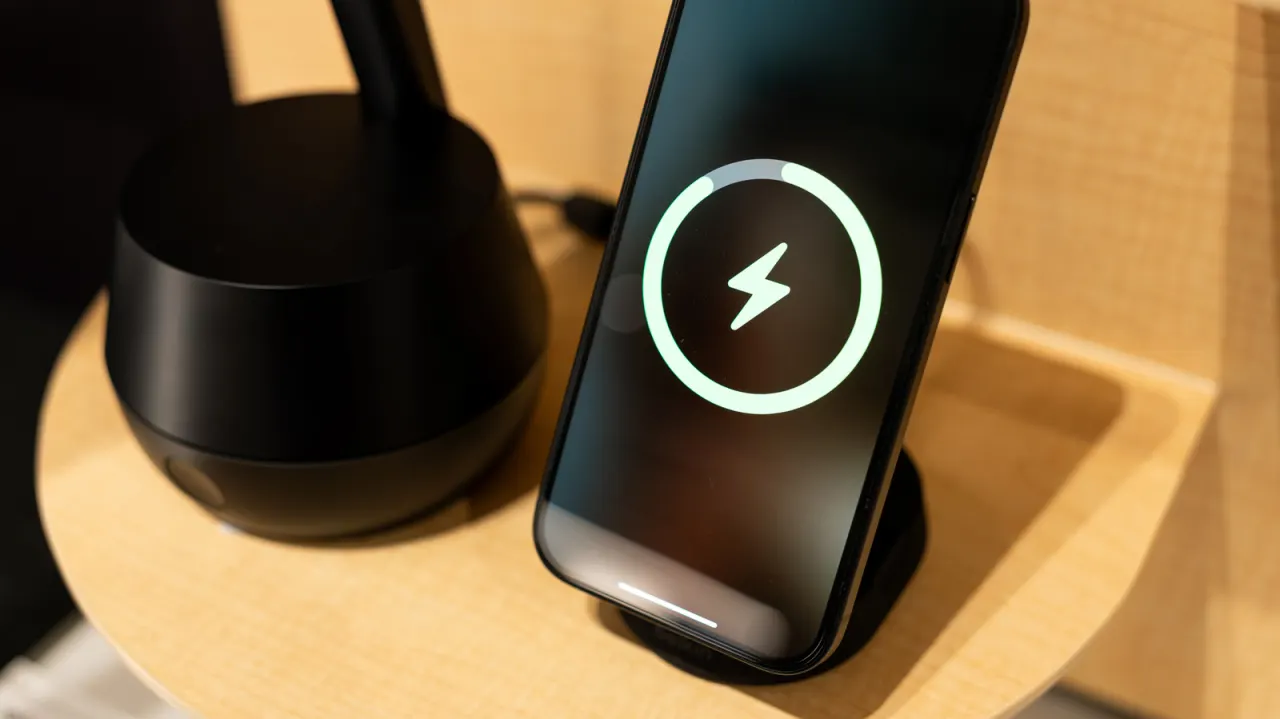
Google's Pixel 11 range and other upcoming Android phones are adopting Qi2 25W, an upgraded version of the Qi2 wireless charging standard also known as Qi2.2. The change matters because it significantly boosts charging speed and reduces heat build-up compared with the original Qi2 spec, addressing two of the main drawbacks of wireless charging versus wired alternatives.
The key difference is power output: standard Qi2 tops out at 15 watts, whereas Qi2 25W delivers up to 25 watts. In practical terms, a device on standard Qi2 typically takes 50 to 80 minutes to reach 50% battery from empty, while Qi2 25W can do the same in around half an hour. Qi2.2 also offers improved thermal protection, keeping devices cooler while charging, which can help preserve long-term battery health.
- Qi2 25W (Qi2.2) is a faster wireless charging standard now reaching Android
- It nearly doubles power output, cutting charging time significantly
- Better thermal protection may also extend battery lifespan
New here? Start with this
Qi2 is a wireless charging standard that lets compatible phones charge on a pad without plugging in a cable. It uses magnets to help line up the phone and charger, and was introduced as an option for Android phones as well as Apple devices.
The original Qi2 standard supports up to 15 watts of power. Qi2 25W, also called Qi2.2, raises that limit to 25 watts and includes improved measures to control heat. Actual charging speed depends on the phone and charger, but faster charging and less heat could make wireless charging more practical and help reduce wear on a phone’s battery over time.