Technology news and discussion on TalkFuse.
Laptops retain key advantages over tablets despite growing touchscreen support
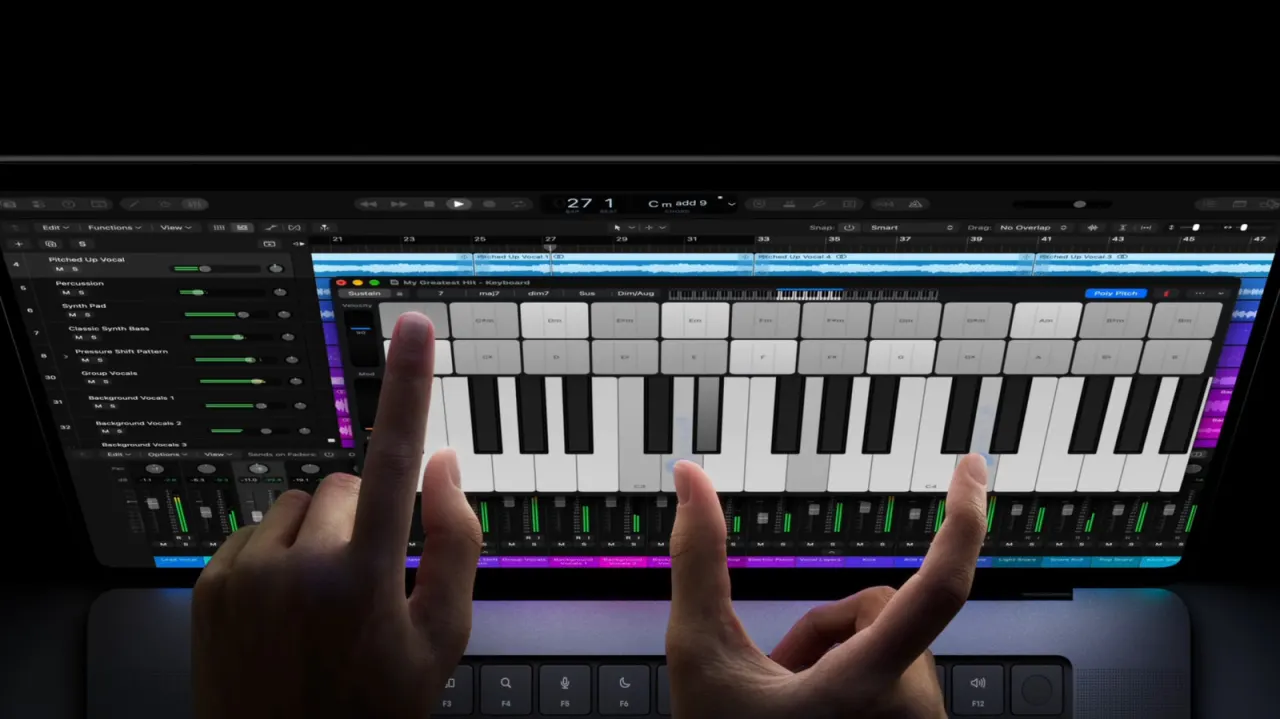
The article argues that a touchscreen is a useful extra on a laptop, but the laptop’s keyboard, trackpad, ports and desktop software are the stronger reasons to buy one. That distinction matters as tablets become more like computers and Apple announces its first touchscreen Mac, while laptops gain touch features.
Tablets are often hundreds of dollars cheaper, lighter and easier to carry, but keyboards and trackpads may cost extra, and limited ports can mean carrying a hub. Android and iPadOS also have fewer software options than Windows, macOS or Linux, while powerful laptops can handle demanding professional apps and games. Touch is convenient for some tasks, but extended drawing or note-taking is often better on a dedicated tablet; the article’s final sentence is cut off.
In short
- Laptop advantages go beyond its touchscreen.
- Tablets are cheaper and more portable, but may need costly accessories.
- Choose touch for convenience; choose a laptop for advanced work.
Steelman: both sides, in good faith
The strongest fair case each way — we don't pick a winner.
The case for
A laptop remains the more practical primary computer for people who need a physical keyboard and trackpad, a broad choice of desktop software, multiple ports and the power to run demanding professional applications or games. Even as tablets gain computer-like features and laptops add touchscreens, those established strengths can make a laptop the more capable and versatile purchase.
The case against
A tablet can be the better choice for people who value a lighter, more portable device and mainly browse, read, stream or handle simpler tasks. Laptops may cost more and be less convenient to carry, while tablets offer touch as a natural way to interact; for drawing or handwritten notes, a dedicated tablet may also work better than a touchscreen laptop.
Explained simply
Laptops and tablets are portable computers, but they are designed around different ways of working. A laptop usually has a built-in keyboard and trackpad, while a tablet is a touchscreen device that can be paired with accessories such as a keyboard or stylus.
Windows, macOS and Linux are operating systems commonly used on laptops; iPadOS and Android are used on many tablets. The operating system affects which apps are available, while a laptop’s ports and built-in controls can also shape what it can connect to and how it is used.
These differences matter as the two types of device gain features associated with the other: some laptops have touchscreens, and tablets can be used with keyboards. Readers weighing them up may need to consider portability, accessories, software and the tasks they want to do.
Read the full article at the source →
Originally published by Engadget as “What’s the point of buying a touchscreen laptop when you could just get a tablet?”.