World news and discussion on TalkFuse.
When an American influencer recommends a bar in Spain: why Spaniards are fascinated by how foreigners see them
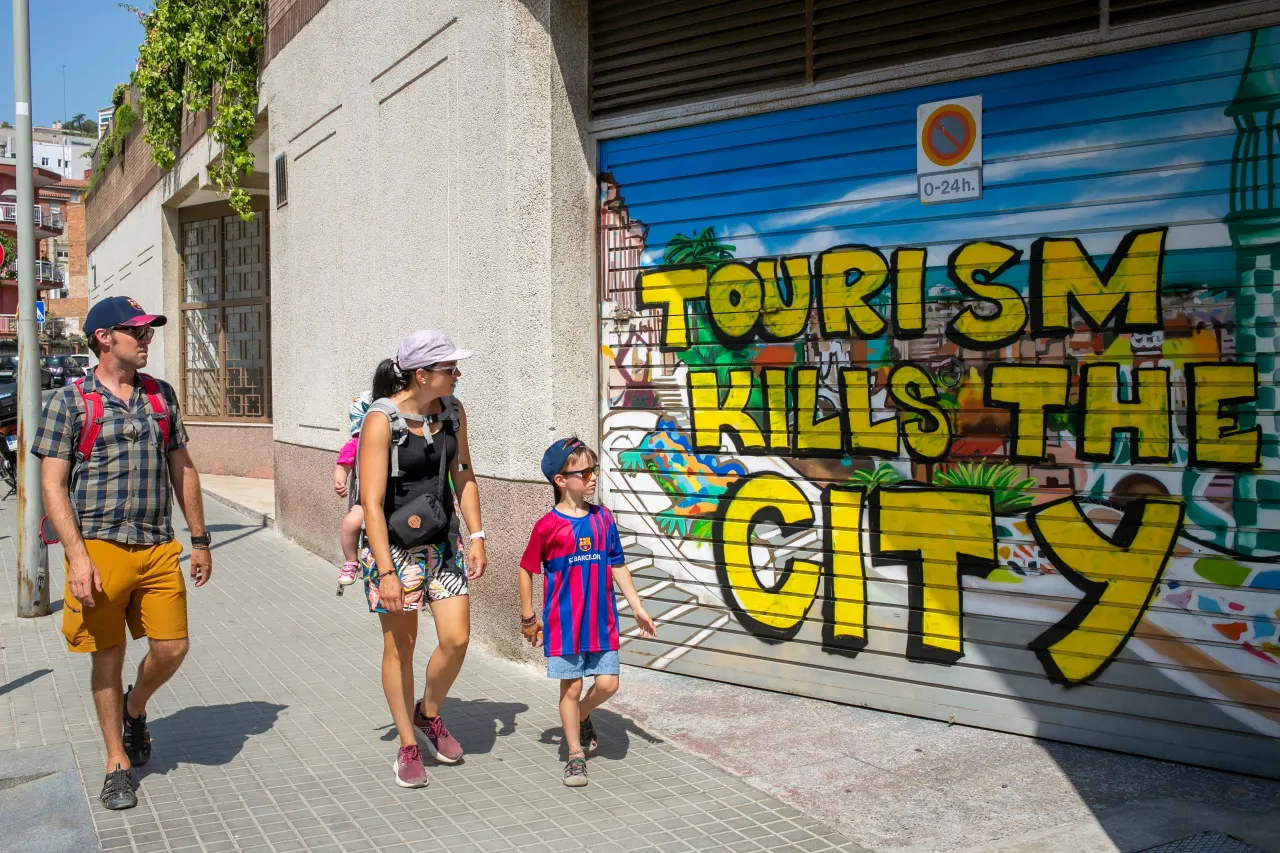
American and other foreign creators have built large audiences by sharing life in Spain, recommending places and explaining cultural differences. But as mass tourism and gentrification reshape Spanish cities, some influencers are reconsidering how their posts affect local culture and whether promoting “authentic” spots risks repeating old stereotypes.
Katie Boggs, who has lived in Spain for four years, says Barcelona’s tourism can create an artificial atmosphere and that her view has shifted from seeing Spain as cheap to questioning that portrayal. Anthropologist Amarna Miller challenges the distinction between tourists and travellers, while creator Maggie Dickmann identifies as an immigrant and links the label “expat” to privilege and willingness to integrate. The article also notes that foreign travel writing has shaped views of Spain for centuries, and cites University of Valencia professor Paula Simó on how the effects of high-income newcomers depend on local housing conditions.
In short
- Foreign creators are rethinking how they portray Spain.
- Tourism and gentrification complicate recommendations of “authentic” places.
- Labels such as “traveller” and “expat” can reflect class and privilege.
Steelman: both sides, in good faith
The strongest fair case each way — we don't pick a winner.
The case for
Foreign creators can help audiences understand Spanish life and share places that locals value, while their perspectives may prompt useful reflection on cultural differences. Thoughtful recommendations can support local businesses, and openness about privilege and integration can challenge simplistic portrayals of Spain as cheap or timelessly “authentic”.
The case against
Even well-intentioned posts can direct more visitors to already pressured neighbourhoods, contributing to rising rents, gentrification and an artificial atmosphere. Framing places as “authentic” or Spain as an inexpensive discovery can reproduce longstanding stereotypes and treat local culture as content, so creators should consider the effects of their reach.