Science news and discussion on TalkFuse.
When can you see the Perseid meteor shower?
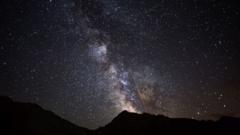
This BBC News video explains when viewers in the UK can expect to see the Perseid meteor shower, one of the most anticipated astronomical events of the year. The shower is regarded as one of the brightest and most reliable annual displays, making it a popular highlight for stargazers and casual observers alike.
The clip provides practical guidance on the best viewing conditions and timing for catching the meteors as they streak across the night sky. As the piece is presented in video form with minimal accompanying text, specific dates, peak viewing times and visibility tips are covered within the report itself rather than in written detail.
In short
- BBC video explains how to view the Perseid meteor shower
- Perseids rank among the year's brightest meteor showers
- Report covers timing and conditions for best viewing
Explained simply
The Perseid meteor shower is an annual celestial event where hundreds of meteors streak across the night sky over several weeks, with the most visible displays occurring in August. The meteors are created when Earth passes through dust and debris left behind by a comet, burning up in our atmosphere to create shooting stars.
It is one of the brightest and most reliable meteor showers visible from the Northern Hemisphere, making it a popular event for both experienced astronomers and casual observers who want to experience the wonder of space. For many people, it represents an accessible way to connect with the night sky without requiring expensive equipment or expert knowledge.
The best viewing conditions depend on factors such as light pollution, weather, and the time of night, so understanding when and where to look can significantly improve your chances of seeing the meteors. Stargazers often plan viewing trips or simply step outside at the right moment to witness this predictable natural display.