Science news and discussion on TalkFuse.
When do celebrity feuds go too far? A case study in Sharon Osbourne and Roger Waters
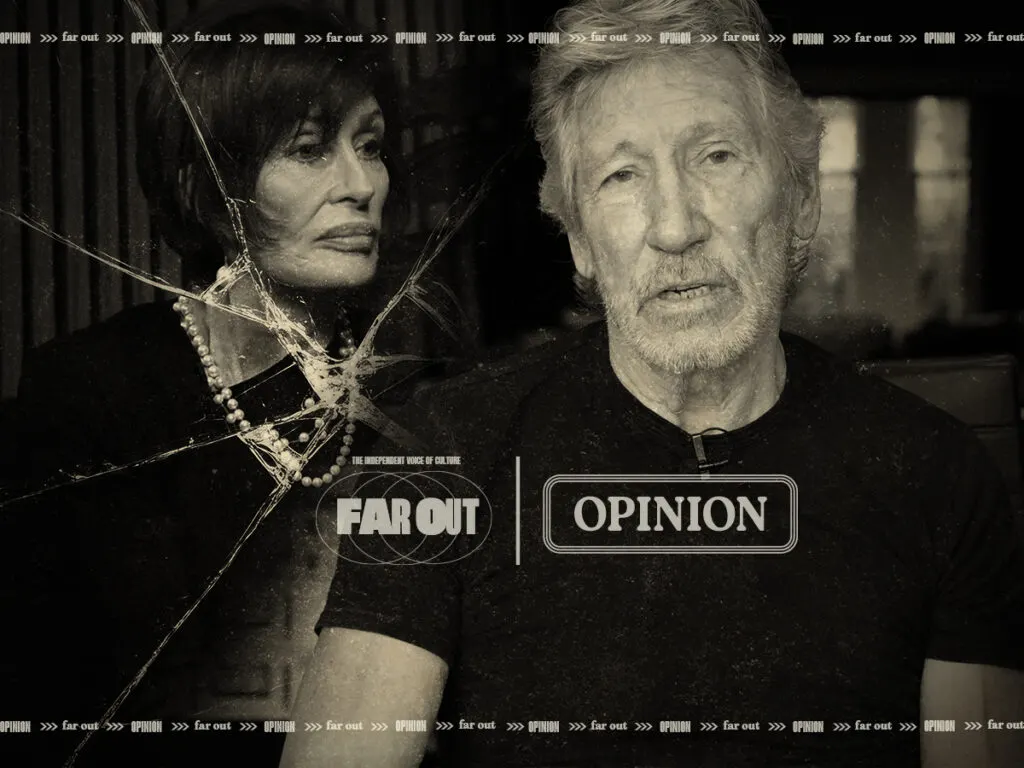
Sharon Osbourne left a disturbing comment on a social media post about Roger Waters joining a Palestine documentary, telling him to "jump in the water with a brick tied around your neck"—an apparent suicide reference. The incident highlights how celebrity feuds can escalate into genuinely harmful territory, raising serious questions about accountability and the boundaries of public discourse, particularly when comments carry such dark implications.
The conflict stems from months of feuding between Osbourne and Waters, triggered by Waters' criticism of Ozzy Osbourne and Black Sabbath following Ozzy's death in July 2025. The journalist covering the story felt compelled to include mental health support resources in response to Osbourne's comment, and Waters' management responded with a notably restrained message declining further engagement. The incident prompted reflection on when celebrity conflict crosses from entertainment into something requiring ethical consideration.
In short
- Sharon Osbourne made suicide-alluding comment at Roger Waters online
- Feud stems from Waters criticising Ozzy Osbourne after his death
- Waters declined to engage further with measured response
Steelman: both sides, in good faith
The strongest fair case each way — we don't pick a winner.
The case for
Public figures have wide reach, so a suicide reference directed at someone can normalise cruel rhetoric and cause harm beyond the immediate target. On this view, even amid a bitter feud, people with large platforms should be held accountable for language that crosses basic standards of decency, and journalists are right to treat it as more than entertainment.
The case against
A forceful response may be understandable in a long-running public dispute, especially when the other party has made hurtful remarks about a recently deceased family member. Those urging restraint in judging the comment might stress the context of an emotionally charged feud and the risks of turning every offensive exchange into a wider public reckoning, while still recognising that the wording was serious.
Explained simply
Celebrity feuds are public disputes between well-known people, often played out through interviews and social media. Their comments can reach large audiences, where insults or threats may be repeated and discussed far beyond the original exchange.
Sharon Osbourne is a television personality and the widow of musician Ozzy Osbourne, who was a member of Black Sabbath. Roger Waters is a musician best known as a former member of Pink Floyd; he has also spoken publicly about political issues, including Palestine.
Disputes involving public figures can attract attention as entertainment, but they can also touch on grief, politics and mental health. That makes the context and likely impact of public remarks relevant when considering where criticism ends and harmful language begins.