Politics news and discussion on TalkFuse.
When You Investigate Trump’s Corruption, Don’t Make Collateral Damage of the Corporate Bystanders
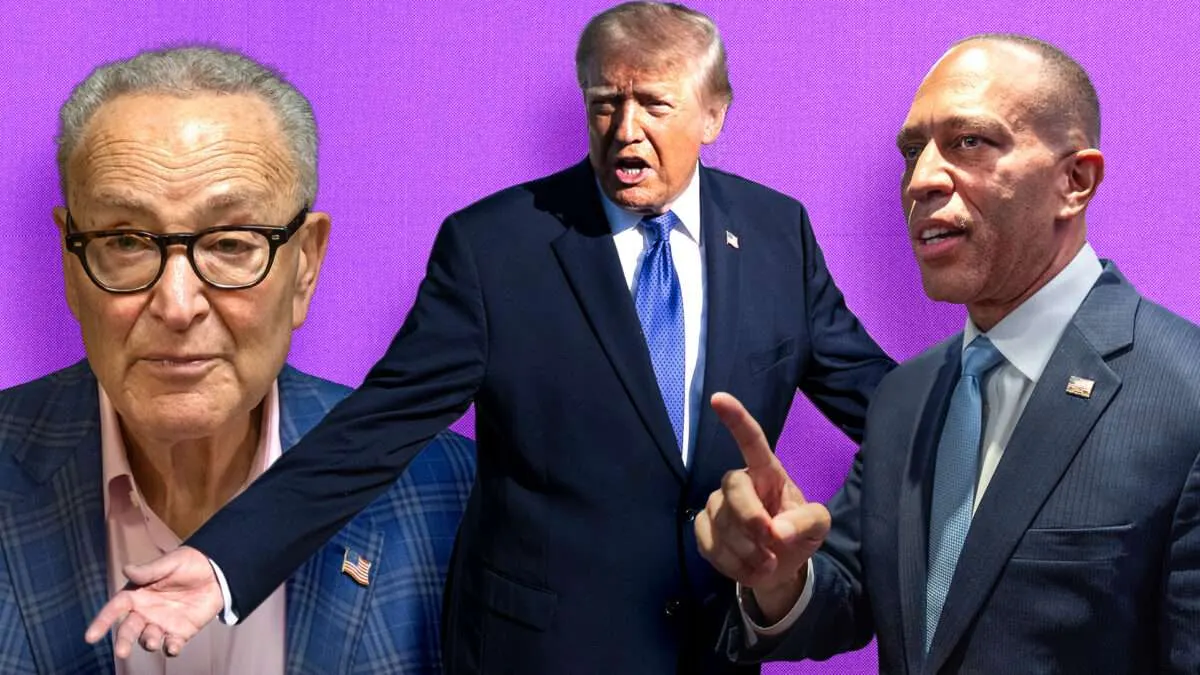
Democrats are preparing to investigate alleged corruption and conflicts of interest involving Donald Trump, his family, cabinet and allies when they take control of Congress in January. The article argues that extending those inquiries to companies with ties to Trump risks treating ordinary political donations or business relationships as evidence of wrongdoing.
Democratic lawmakers have signalled interest in banks, insurers, pharmaceutical firms, technology companies and government contractors, with some executives reportedly hiring lawyers and lobbyists in anticipation of subpoenas. Companies named in earlier discussions include Amazon, Apple, Coinbase, Google, HP, Lockheed Martin and Palantir; the article also says Tesla and SpaceX shares fell after expectations of scrutiny of Elon Musk. It notes that several companies cited also donated to Joe Biden and Kamala Harris’s inauguration and held federal contracts during Biden’s administration.
In short
- Democrats plan congressional scrutiny of Trump-related corruption allegations.
- Some lawmakers also want to investigate companies linked to his allies.
- The article warns that political donations alone do not prove corruption.
Steelman: both sides, in good faith
The strongest fair case each way — we don't pick a winner.
The case for
Investigating companies alongside Trump’s circle could help establish whether corporate money, contracts or business ties shaped government decisions, and whether any improper benefits were exchanged. Subpoenas may be justified where evidence points to relevant conduct; the fact that a company also donated to Democrats or held federal contracts under Biden would not rule out wrongdoing.
The case against
Broad inquiries into firms because they donated to Trump, had business ties to his allies or sought federal contracts risk making ordinary political participation look suspicious. Such scrutiny can impose legal and reputational costs on companies and chill lawful engagement, especially when no specific evidence of misconduct has been identified; investigations should therefore be tightly linked to credible allegations.
Explained simply
Donald Trump’s business interests and political relationships have drawn scrutiny over possible conflicts of interest: situations in which personal or financial interests might overlap with public duties. Congress can investigate the conduct of government officials and people around them, and can seek records or testimony from businesses as part of an inquiry.
Many companies have dealings with the federal government, contribute to political causes or maintain relationships with public figures. Those connections can provide context for an investigation, but do not by themselves establish that a company or its executives have done anything wrong.
The issue matters because congressional inquiries can affect companies, workers and investors, while also helping lawmakers examine whether public power has been used improperly. The challenge is to distinguish relevant evidence from ordinary business activity or political participation.