World news and discussion on TalkFuse.
‘Where did they go?’: homeless people feel force of America’s brutality in World Cup clean-up
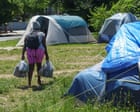
As the World Cup has moved through host cities in the US, homeless people have been forcibly cleared from areas near stadiums and fan zones, with unhoused residents in Atlanta describing feeling targeted and dehumanised rather than included in the tournament's supposed spirit of unity. Officials in Atlanta, backed by rhetoric from the Trump administration, have openly stated their aim of keeping unsheltered people away from downtown areas both during and beyond the World Cup, framing the clean-up as necessary for the city's image rather than acknowledging it as a rights issue.
Atlanta's Downtown Rising scheme, launched ahead of the tournament, says it has housed 500 people, but reporting from Freedom Park found city workers removing tents, medication and identification documents without warning, in a sweep officials described merely as "routine park maintenance". The piece also recalls the death of Cornelius Taylor, killed in January last year when a bulldozer crushed his tent during a street clearance in Atlanta, an incident that prompted promises of new protocols. The article contrasts these clearances with the lavish movements of Fifa president Gianni Infantino and Donald Trump on the same day the Freedom Park story broke.
In short
- Homeless camps cleared from US cities ahead of World Cup matches
- Atlanta officials admit aim is keeping unsheltered people from downtown
- Cornelius Taylor died in 2025 street clearance; new protocols promised
Steelman: both sides, in good faith
The strongest fair case each way — we don't pick a winner.
The case for
Cities hosting major international events have legitimate interests in maintaining safe, hygienic public spaces and presenting their community positively to global visitors. The Downtown Rising scheme's reported housing of 500 people suggests genuine attempts to address homelessness alongside event preparation, and proponents argue that the economic activity and global attention generated by major events ultimately fund municipal services and housing solutions that benefit vulnerable populations long-term.
The case against
Forcibly removing unhoused people—including their possessions, medication and identification documents—during major events prioritises city image over human dignity and constitutional rights. The documented danger of such sweeps, including the 2025 bulldozer death of Cornelius Taylor, demonstrates that enforcement-based 'clean-ups' can be fatal, and critics contend these temporary displacements merely relocate vulnerability rather than addressing homelessness whilst society lavishes resources on visitors and officials.
Explained simply
The FIFA World Cup is being hosted across American cities. As the tournament has progressed through different locations, unhoused people have been removed from areas near stadiums and fan zones, often without warning. Those affected report feeling targeted and unwelcome rather than included in the tournament's vision of community.
City officials in Atlanta have stated that removing unhoused people from downtown is necessary for the city's image during the World Cup and beyond. The city launched an initiative called Downtown Rising that has housed around 500 people. However, removal operations have continued, with city workers taking tents, medication and identity documents from unhoused individuals, though officials have described these actions as routine park maintenance.
This is not a new issue in Atlanta. In January 2025, a man named Cornelius Taylor was killed when a bulldozer crushed his tent during a street clearance operation. The incident prompted city officials to promise new safeguards and protocols. The current removals during the World Cup raise questions about whether those protections have been implemented and how cities should balance hosting major events with their responsibilities towards unhoused residents.