Entertainment news and discussion on TalkFuse.
Where is Billy from ‘You Can See Everything’ now? What Elizabeth Holmes’ partner said about the movie
Developed over time first seen 14 hours ago
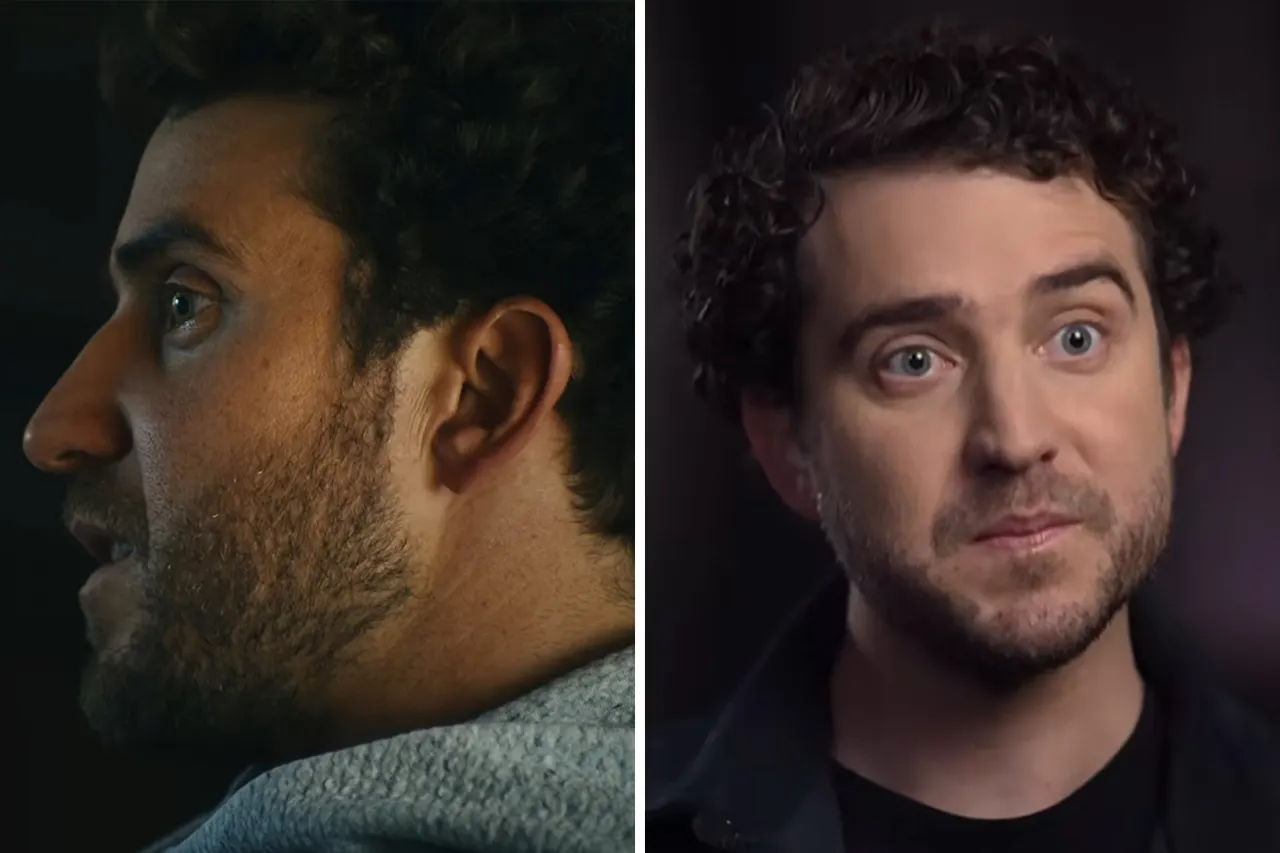
Nathan Fielder and Lance Oppenheim’s documentary follows Elizabeth Holmes in the weeks before she began serving her prison sentence for defrauding investors. It also focuses on her partner, Billy Evans, whose behaviour in the film and control of Holmes’s social media and finances raise questions about their relationship and his influence.
Evans lives in Austin with the couple’s two children, aged three and five, and says the family visits Holmes at Federal Prison Camp Bryan in Texas. He founded Haemanthus, a blood-testing company he calls “Theranos 2.0”, and says Holmes advises him from prison. In a recent interview, Evans said he loves the film but would prefer not to be portrayed as its villain; he also said Holmes explicitly permitted him to post on her social media account.
- Sources
- 2
- Outlets
- 1
- Left · Centre · Right
- 0 · 0 · 2
In short
- The documentary portrays Evans as a forceful presence in Holmes’s life.
- He lives in Austin with their two children.
- Evans says Holmes approved his posts from her account.
How this story developed
- 13 hours ago Nathan Fielder and Lance Oppenheim’s documentary follows Elizabeth Holmes in the weeks before she began serving her prison sentence for defrauding investors.
Full account
Billy Evans, Elizabeth Holmes’ partner and the father of their two children, has become a prominent figure in You Can See Everything, the documentary directed by Nathan Fielder and Lance Oppenheim. Filmed during the 34 days before Holmes entered prison for defrauding Theranos investors, it follows the couple at home as they care for their children and discuss the case. Evans appears frequently, both alongside Holmes and in exchanges with the filmmakers. The film is now available to buy or rent digitally.
According to one report, Evans lives in Austin, Texas, with the couple’s children, and they visit Holmes at the Federal Prison Camp in Bryan, Texas. That report says he received power of attorney when Holmes went to prison and runs her social media accounts. The documentary shows him posting under Holmes’ name while she is incarcerated. It also follows his work on Haemanthus, a blood-testing start-up that he describes in the film as ‘Theranos 2.0’. The report says Holmes advises him on the company from prison.
Evans’ conduct during filming has attracted particular attention. The film shows disagreements at home, strained interviews and occasions when he asks the directors to stop filming. It also raises questions about who controls the couple’s public image. One report says Evans negotiated a share of the film’s profits with A24, then gave up that share after further discussions involving Holmes. That report says The Hollywood Reporter described the money as going to charity, a detail it says the documentary leaves out. These accounts of negotiations and finances come from the reports; the supplied material does not include the agreements themselves.
The supplied excerpts do not give a clear statement from Evans about the finished film or establish how he responded to its release. They do show a difference between his stated wish for ‘radical transparency’ during filming and his attempts to limit filming at particular moments. Holmes, for her part, is described as maintaining that Evans has her best interests at heart. The film leaves viewers to assess their relationship through footage recorded while the family faced her imminent imprisonment, and through the filmmakers’ choices about what to show.
Where outlets differ
From the full account, which is AI-written from the sources:
The first report concentrates on Evans’ behaviour, his current circumstances and the dispute over a share of the film’s profits. The second treats the film chiefly as an examination of truth, performance and the filmmakers’ access to the family.
The first report says Evans lives in Austin and gives details about prison visits, power of attorney and Haemanthus. The second excerpt does not establish those later circumstances.
The first report notes a claimed charitable destination for Evans’ share of the profits that it says the documentary omits. The second excerpt does not discuss that agreement.
Steelman: both sides, in good faith
The strongest fair case each way — we don't pick a winner.
The case for
Evans can reasonably argue that the film’s selective scenes may leave viewers with an unfairly villainous impression, despite his saying he loves it. He says Holmes explicitly authorised him to post on her social media, and describes his business and family arrangements as involving her continued advice and connection; those claims support his view that he is acting with her consent rather than controlling her.
The case against
Viewers may reasonably question whether Holmes’s permission alone settles concerns about Evans’s influence, given the film’s depiction of his role in her social media and finances while she is in prison. His new blood-testing venture, which he calls “Theranos 2.0”, and his wish not to be seen as the villain invite scrutiny of how he presents himself and the relationship, though they do not by themselves establish wrongdoing.
Explained simply
Elizabeth Holmes founded Theranos, a blood-testing company that claimed it could run many tests from a small amount of blood. The company collapsed after its technology failed to deliver as promised, and Holmes was convicted of defrauding investors and sentenced to prison.
Holmes is serving her sentence at Federal Prison Camp Bryan in Texas. Her partner, Billy Evans, lives in Austin with their two children and says they visit her; he has also started a blood-testing company called Haemanthus. The film follows Holmes before she entered prison and examines Evans’s role in her life, prompting questions about their relationship and influence.
Coverage · 2 sources
Bias meters
From 2 rated sources.