Politics news and discussion on TalkFuse.
While Washington is busy fighting, the rest of America is just asking for results
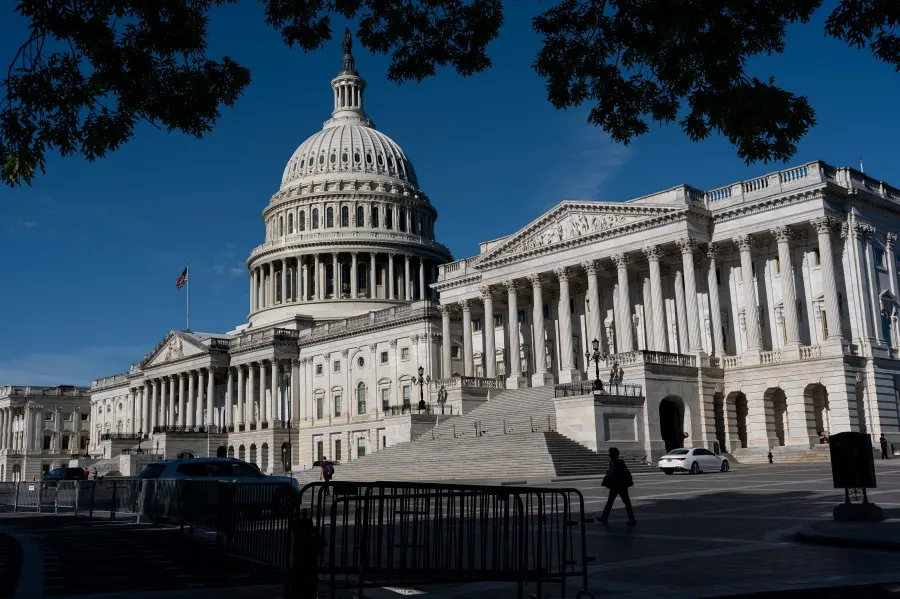
The article text was unavailable, so its specific arguments, evidence and conclusions cannot be summarised reliably. Its title suggests it discusses public frustration with political conflict in Washington and a preference for tangible policy results.
No polling figures, dates, named sources or further context were provided in the accessible material. Any more detailed summary would risk attributing claims to the article that cannot be verified.
In short
- Article content was inaccessible.
- Title suggests frustration with Washington conflict.
- No specific poll findings were available.
Steelman: both sides, in good faith
The strongest fair case each way — we don't pick a winner.
The case for
A focus on practical results can reflect voters’ desire for government to address everyday needs, such as jobs, public services and the cost of living. Supporters may argue that reducing partisan conflict helps elected officials work together and deliver policies people can judge by their effects.
The case against
Political conflict can be a necessary part of democratic accountability, especially when parties disagree over whose interests policies serve or whether proposed results come at an unacceptable cost. Critics may argue that calls to set conflict aside can obscure substantive differences and reward quick, visible wins over careful scrutiny and lasting outcomes.
Explained simply
American politics operates at two different speeds. In Washington, elected officials from both parties frequently clash over ideology, legislative priorities and political tactics. Meanwhile, many Americans outside the capital are more focused on whether government can deliver practical improvements to their lives—such as better schools, jobs, infrastructure or healthcare.
This gap between what occupies political debate in Washington and what concerns ordinary people in their communities is a long-standing dynamic in American democracy. Political gridlock, partisan conflict and procedural battles often dominate headlines from Congress, whilst voters may feel these internal fights distract from solving real problems they face daily.
The tension between these priorities shapes how the public views their elected representatives and the political system as a whole. When voters believe Washington is consumed by fighting rather than delivering results, it can affect levels of trust in government and influence how people vote.