World news and discussion on TalkFuse.
White House blasts ‘Trumpcare for All’ pitch from far-left El-Sayed who called president ‘unserious fool’
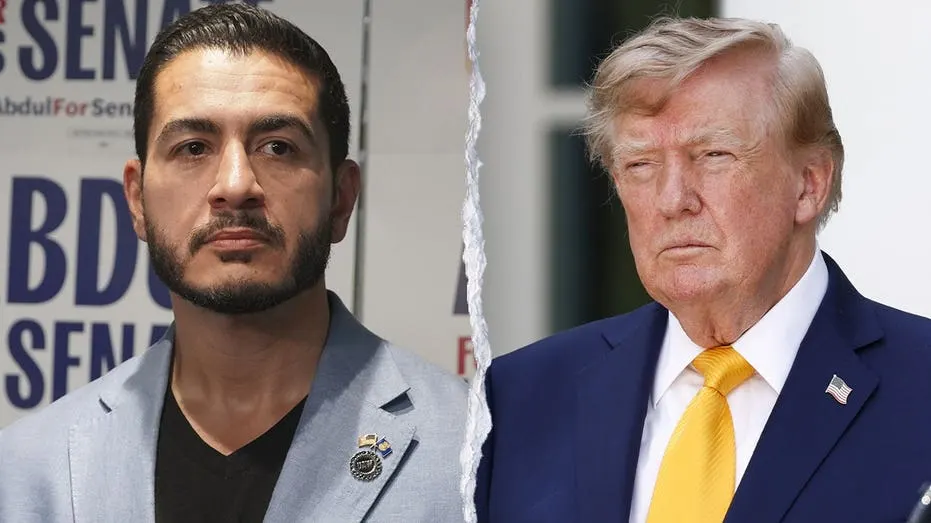
Senator-elect Abdul El-Sayed urged President Donald Trump to back a universal healthcare proposal he dubbed “Trumpcare for All”, despite recently calling Trump an “unserious fool”. The White House rejected the appeal, arguing that Medicare for All would threaten existing coverage and access to care, while presenting the exchange as a contrast between the administration’s healthcare policies and the Democratic proposal.
El-Sayed made the pitch in a 16-second video posted on 17 November, addressing Trump as “Habibi” and joking that he could put his name on the plan. The video included a mock Trumpcare card and an AI-generated image of Trump as Jesus Christ. The White House cited an economic advisers’ estimate that Medicare for All would add about $47.4 trillion to the federal deficit between 2027 and 2036 without extra revenue, and said Trump’s prescription drug measures had saved Americans more than $1 billion. Supporters say single-payer coverage would guarantee healthcare; critics point to its potential cost and disruption to private insurance.
In short
- El-Sayed asked Trump to back “Trumpcare for All”.
- The White House argued Medicare for All could disrupt coverage.
- Officials cited a projected $47.4 trillion deficit increase without new revenue.
Steelman: both sides, in good faith
The strongest fair case each way — we don't pick a winner.
The case for
Supporters argue that universal, single-payer coverage would guarantee access to healthcare regardless of income or employment, and could reduce the insecurity and administrative complexity of a system tied to private insurance. They may see El-Sayed’s appeal as a way to make the proposal politically accessible, while treating estimates of its budget impact as dependent on how the plan is financed and what costs it replaces.
The case against
Critics argue that replacing or substantially displacing private coverage could disrupt existing arrangements and access to care, while requiring a major expansion of federal spending. They may regard the cited deficit estimate as evidence that a plan without additional revenue could impose unsustainable costs, and favour targeted measures such as prescription-drug savings over a wholesale system change.
Explained simply
Medicare for All is a proposal for a single public health insurance system covering everyone in the United States. It would replace much of the role now played by private insurance, which many people get through their employers, alongside existing programmes such as Medicare for older people and Medicaid for people with low incomes.
Abdul El-Sayed is a Democratic politician and physician who has advocated universal healthcare. Donald Trump is the US president, and the White House speaks for his administration. The proposal matters because it raises questions about how healthcare should be funded and whether a public system would expand access while changing people’s current coverage.
Supporters say a single-payer system could guarantee healthcare for all; critics argue it could be costly and disrupt private insurance. These disagreements are part of a wider debate in the United States over the government’s role in healthcare and how to control medical costs.
Americas Government Politics World