White House deems The Chicks’ Natalie Maines a “despicable nobody” following latest jab at Donald Trump
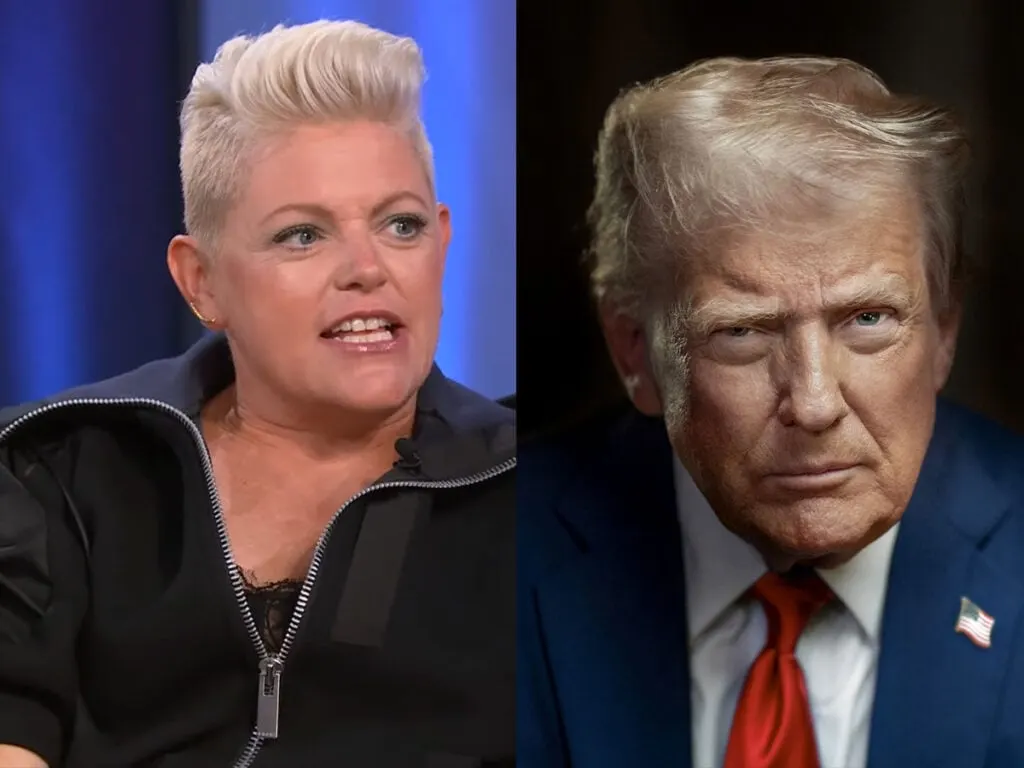
The White House has responded to Chicks singer Natalie Maines’ criticism of Donald Trump with a personal insult, calling her a “despicable nobody” and saying she has a “peanut-sized brain”. The exchange follows comments Maines made during a New York concert, comparing Trump unfavourably with former president George W. Bush.
On the band’s anniversary tour, Maines recalled her 2003 rebuke of Bush over the Iraq War and said she would now welcome him back, adding that she was ashamed the US president was American. The White House gave the same insulting response earlier this year after Maines criticised Trump’s proposed $1.8 billion Anti-Weaponisation Fund, which is intended to support people who say they were unfairly investigated, including some Capitol riot defendants.
- The White House insulted Natalie Maines after her latest criticism of Trump.
- Maines said she would welcome George W. Bush back over Trump.
- She previously criticised the proposed $1.8 billion Anti-Weaponisation Fund.
New here? Start with this
The Chicks are an American country music band, and Natalie Maines is their lead singer. In 2003, Maines criticised then-president George W. Bush over the Iraq War, prompting a backlash that affected the band’s career.
Donald Trump, a Republican, later served as US president and returned to office in 2025. The dispute matters in the context of musicians commenting on presidents and the political consequences that can follow; it also touches on debate over the government’s role in responding to people who say they were unfairly investigated.
Both sides, in good faith
The strongest fair case each way — we don't pick a winner.
The case for
A White House spokesperson could argue that public figures who sharply criticise a president should expect forceful political pushback, and that Maines’s comparison was itself a pointed personal judgement. Supporters may also see combative rhetoric as a way to answer celebrity commentary in the same public arena and signal loyalty to the president.
The case against
Critics could argue that an official White House response should address the substance of Maines’s criticism rather than attack her intelligence or status. They may see personal insults from the government as beneath the office, likely to inflame political divisions, and especially troubling when directed at a citizen exercising free expression.