White House defends Trump after archbishop calls prayer moment ‘manipulated’ ahead of midterms
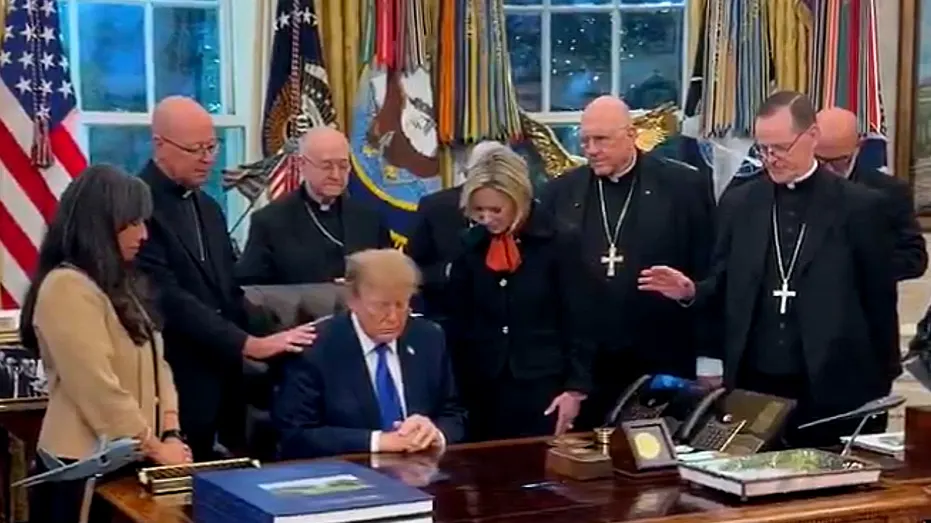
Milwaukee Archbishop Jeffrey Grob apologised for taking part in a prayer with President Donald Trump, saying the White House publicised the gathering in a way that made it appear to be a political endorsement. The dispute arose less than two weeks before the midterm elections, prompting concerns among Catholics about the use of a religious event for partisan purposes.
Grob said 12 bishops had not consented to the release of photographs and video, and that they attended in good faith to discuss issues affecting the Church and pray for the country. The meeting, arranged by the Heritage Foundation, followed a 90-minute discussion on immigration enforcement, religious worker visas and other Catholic priorities. Another bishop said the group did not intend to endorse a candidate or party, while the archbishop who led the prayer said praying for elected officials is a longstanding Catholic practice; the White House defended Trump’s record on religious liberty and Catholic concerns.
In short
- An archbishop apologised over a prayer meeting with Trump.
- Bishops said its publicity risked implying political support.
- The White House defended Trump’s record on Catholic issues.
Steelman: both sides, in good faith
The strongest fair case each way — we don't pick a winner.
The case for
The White House can argue that the meeting addressed substantive concerns shared by Catholic leaders and that Trump’s record on religious liberty merits discussion. Prayer for public officials is a longstanding practice, and publicising the gathering need not imply that bishops endorsed a candidate.
The case against
The bishops can argue that releasing images without their consent made a pastoral meeting look like electioneering, risking the Church’s independence and misleading voters about their intentions. With the midterms close, the White House had reason to consider how the publicity could be understood, even if the meeting itself had legitimate purposes.
Explained simply
US midterm elections determine which party controls seats in Congress and can affect the president’s ability to advance policies. Religious leaders sometimes meet politicians to discuss issues important to their communities, while seeking to keep pastoral activities separate from party politics.
The Catholic Church is led locally by bishops, who oversee dioceses and represent Catholic communities. Its teaching includes prayer for people in public office, but taking part in a political event can raise questions about whether a Church leader is endorsing a candidate or party.
The Heritage Foundation is a US conservative policy organisation that convenes discussions with political and religious figures. Immigration and visas for religious workers are among the issues that can bring Catholic leaders into contact with government officials.