Culture news and discussion on TalkFuse.
White House pushes ‘watershed’ fraud-fighting reform in Congress as Vance convenes task force
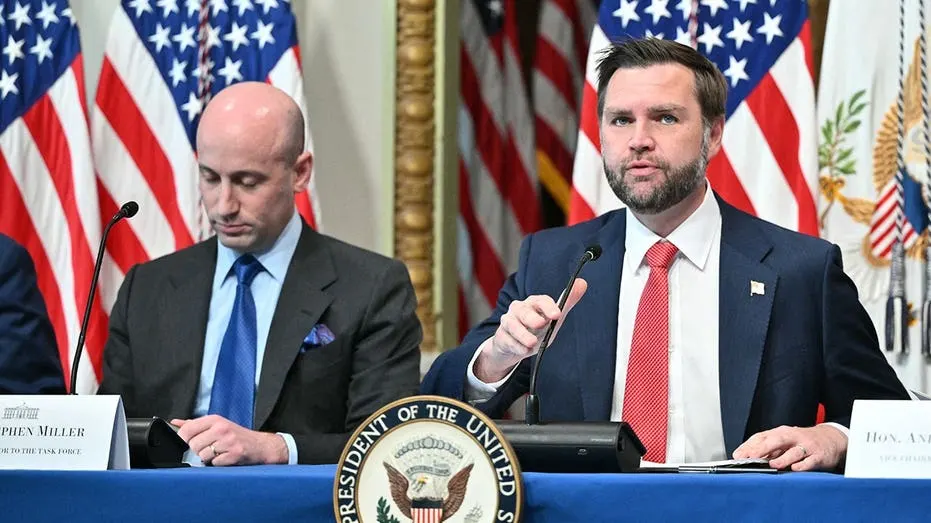
Vice President JD Vance, who chairs the Trump administration's Task Force to Eliminate Fraud, convened a roundtable event with members of Congress to discuss fraud-fighting initiatives. Vance announced that the task force has identified approximately $230 billion in suspected fraudulent activity, with successful interventions preventing $56 billion of that amount.
The administration is working to advance legislative reforms aimed at combating fraud, with the White House bringing lawmakers together to discuss potential Congressional action. The effort represents a coordinated approach between the executive branch and Congress to address fraud across federal programs and operations.
In short
- VP Vance's Task Force to Eliminate Fraud has identified $230 billion in suspected fraud and stopped $56 billion to date
- White House is advancing legislative reforms with Congressional engagement to address fraud
- Initiative includes roundtable discussions with lawmakers to discuss fraud-fighting measures
Steelman: both sides, in good faith
The strongest fair case each way — we don't pick a winner.
The case for
The case for aggressive fraud prevention rests on a straightforward moral foundation: federal benefit programmes exist to help those genuinely in need, and billions lost to fraud represent money diverted from their intended purpose. The identification of £230 billion in suspected fraudulent activity and successful prevention of £56 billion demonstrates that resources invested in detection and enforcement yield substantial returns, protecting both vulnerable populations and taxpayers. Modern legislative reforms that tighten controls, improve data-sharing across agencies, and deploy advanced detection technologies can eliminate waste without unduly restricting access for legitimate beneficiaries, making fraud-fighting a fiscally responsible priority.
The case against
Critics raise legitimate questions about the breadth and implementation of fraud-fighting measures, particularly regarding how fraud is defined and whether aggressive enforcement might inadvertently harm legitimate beneficiaries through overzealous false-positive flagging. There is historical concern that politically motivated fraud initiatives can disproportionately burden vulnerable populations already navigating complex eligibility systems, and questions about whether the reported £230 billion figure represents confirmed fraud or merely flagged suspicious activity requiring further investigation. A balanced approach demands scrutiny of whether proposed reforms prioritise genuine prevention without creating new barriers that deny rightful assistance to those in need.
Explained simply
The federal government runs programmes that provide public services and financial support, and these can be targeted by people making false claims or misusing funds. Finding and stopping fraud involves agencies checking how money is claimed and spent.
JD Vance is the vice-president and chairs the administration’s Task Force to Eliminate Fraud. The task force brings together parts of the executive branch, while Congress makes federal laws and oversees government programmes.
The administration is seeking changes to federal law, so lawmakers would need to consider and approve any legislation. The issue matters because fraud can divert public money from its intended uses, while new checks or rules can affect how legitimate claims are handled.
Art Business Culture Government Markets Politics World