Politics news and discussion on TalkFuse.
White House Staffers Undermined Pesticide Reform Over ‘National Security,’ Former MAHA Adviser Alleges
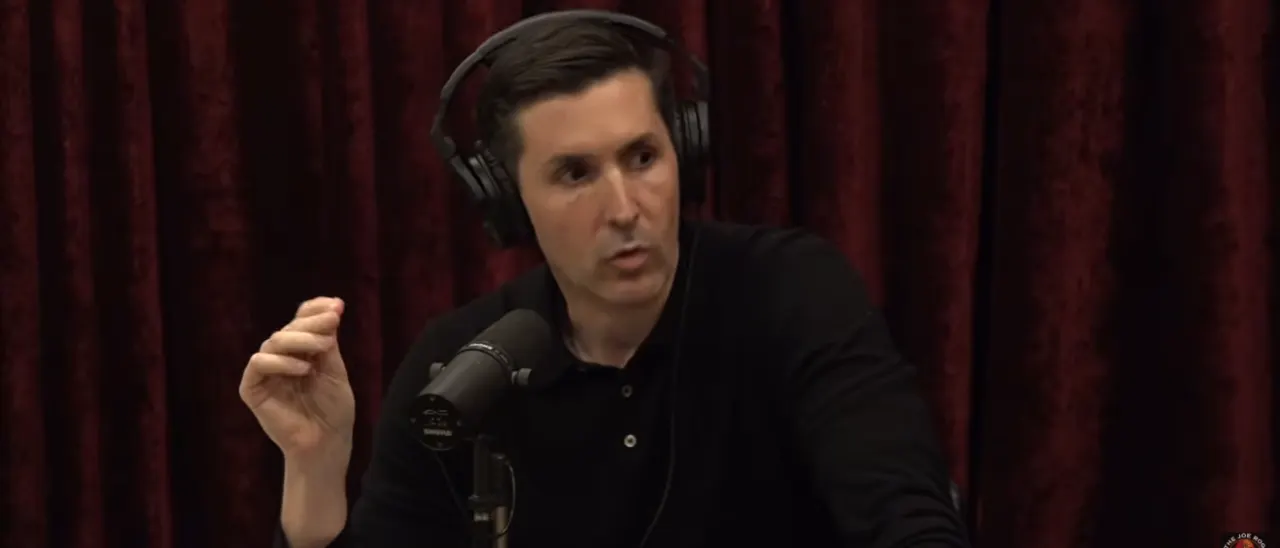
Former Health and Human Services adviser Calley Means alleged that White House staff blocked his efforts to investigate glyphosate, a widely used herbicide, by declaring it a national security matter. His claims raise questions about how pesticide policy was handled and whether officials acted in line with Health Secretary Robert F. Kennedy Jr.’s agenda.
Means said an executive order issued on 18 February described glyphosate-based herbicides as important to US agriculture and directed the agriculture secretary to maintain an adequate supply. He also alleged that officials pursued a Supreme Court case benefiting Bayer without consulting Kennedy; the court ruled on 25 June that Bayer had immunity in thousands of lawsuits over glyphosate warnings. Means resigned on 22 October, while the White House cited the administration’s broader health and farming initiatives.
In short
- Calley Means says White House staff blocked a glyphosate investigation.
- A February order called the herbicide supply important to agriculture.
- The Supreme Court ruled for Bayer in glyphosate warning-label lawsuits.
Steelman: both sides, in good faith
The strongest fair case each way — we don't pick a winner.
The case for
If Means’s account is accurate, invoking national security to block scrutiny of a widely used herbicide may have curtailed evidence gathering and sidelined the health secretary’s stated agenda. The alleged lack of consultation over the Bayer case could also raise concerns about transparency and whether public health interests received adequate consideration.
The case against
Officials could reasonably view reliable glyphosate supplies as important to food production and national resilience, making continuity a legitimate policy concern. The administration may also have pursued the court case through established legal processes, while its wider health and farming initiatives show that pesticide policy cannot be judged from these allegations alone.