Who is Itamar Ben-Gvir, the Israeli firebrand rising with the populist right across the globe?
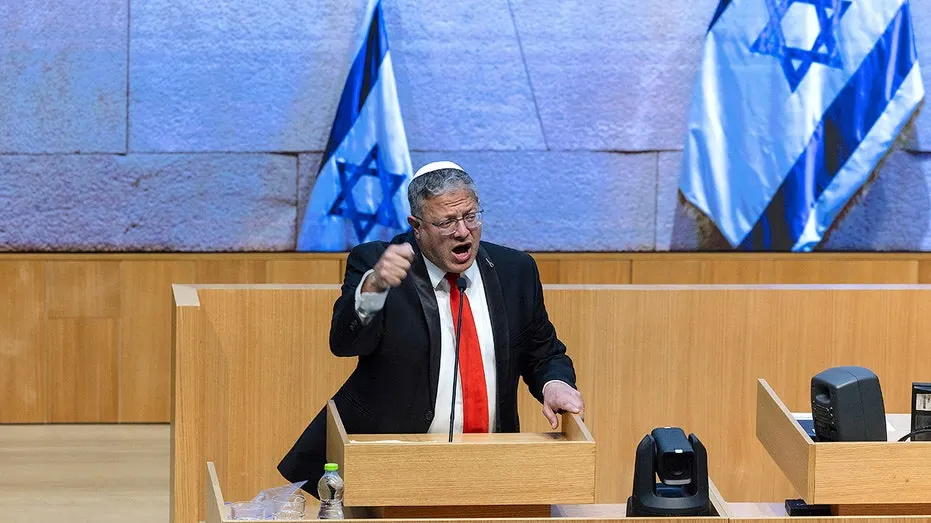
Polling ahead of Israel’s 27 October election suggests Itamar Ben-Gvir’s Otzma Yehudit could win seven to ten seats, giving him potential influence over a future government led by Benjamin Netanyahu. His rise reflects wider gains by populist right-wing parties internationally, while his critics argue that his rhetoric has harmed Israel’s standing abroad.
Ben-Gvir, first elected to the Knesset in 2021, became national security minister after the 2022 election. His ministry oversees the police, prisons and civilian firearms licensing. Supporter Yishai Fleisher describes his priorities as law and order, tougher prison conditions and gun rights; former Israeli ambassador Danny Ayalon says Ben-Gvir’s statements have portrayed Israel as racist and damaged its diplomatic standing.
In short
- Otzma Yehudit is projected to win seven to ten Knesset seats.
- Ben-Gvir could gain leverage in a Netanyahu-led government.
- Supporters praise his law-and-order stance; critics cite diplomatic harm.
Steelman: both sides, in good faith
The strongest fair case each way — we don't pick a winner.
The case for
Supporters can argue that Ben-Gvir gives voice to voters who want firmer law enforcement, tougher treatment of prisoners and broader access to firearms. His anticipated electoral gains may reflect a belief that these priorities have not been adequately represented, and that he should have influence in a government if voters choose his party.
The case against
Critics can argue that a national security minister’s rhetoric carries diplomatic consequences as well as domestic political weight. If Ben-Gvir’s statements reinforce perceptions of racism, they may weaken Israel’s standing abroad, while his influence over policing, prisons and firearms policy raises the stakes of his approach to security.
Explained simply
Itamar Ben-Gvir is an Israeli politician and leader of Otzma Yehudit, a right-wing party. He entered the Knesset, Israel’s parliament, in 2021 and became national security minister the following year.
The minister’s responsibilities include overseeing the police, prisons and civilian firearms licensing. Ben-Gvir’s supporters point to his focus on law and order, stricter prison conditions and gun rights; critics say his rhetoric has harmed Israel’s standing abroad.
His political influence matters because Israel’s governments are formed through coalitions among parties, so a relatively small party can help determine who governs and what policies are pursued. Ben-Gvir’s rise is also part of wider gains by populist right-wing parties in several countries.
Government Middle East Politics World