US lawsuit tests who can profit from AI-generated meme character Triple T
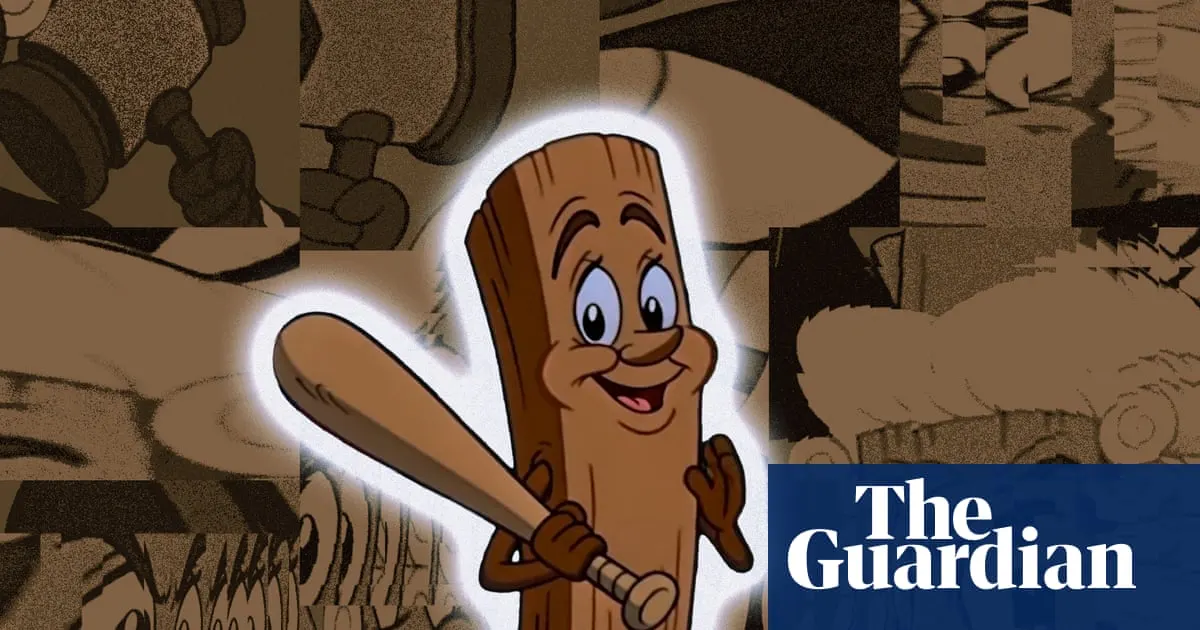
Tung Tung Tung Sahur, an AI-generated character that became a viral meme, is at the centre of a US lawsuit over who can control its use and profit from it. The dispute tests how copyright law applies to AI-generated creations, while raising wider questions about whether a character’s original creator or the online community that popularised it should benefit.
Known as Triple T, the character was created in 2025 by an Indonesian teenager using OpenAI’s image-generation tool, and is based on a drum used to wake Muslims for the pre-dawn meal during Ramadan. Videos featuring Triple T have attracted hundreds of millions of views, and the character appears on merchandise and is due to join Fortnite. Do Big Studios’ owners sued Mementum, which represents the creator, after a dispute over Triple T’s use in the Roblox game “Steal a Brainrot”; they argue US copyright requires human authorship and does not cover AI-generated material.
- A viral AI character is at the centre of a US legal dispute.
- The lawsuit challenges how copyright applies to AI-generated characters.
- The case raises questions about creators’ rights and collective meme culture.
New here? Start with this
Triple T is a viral meme character created in 2025 by an Indonesian teenager using an AI image-generation tool. Based on a drum used in the pre-dawn Ramadan meal call, the character became a global phenomenon with videos attracting hundreds of millions of views. The character now appears on merchandise and is due to join Fortnite.
A legal dispute has emerged over rights to the character. Do Big Studios has sued Mementum, the company representing the creator, over Triple T's use in a Roblox game. Do Big Studios argues that US copyright law requires human authorship and therefore does not protect AI-generated content.
The case tests whether copyright law covers artificial intelligence-created works and who can hold ownership rights. It will help determine how intellectual property protections apply when AI tools are used to create characters, and whether creators of AI-generated works have exclusive rights to them. The outcome could shape how copyright law treats similar AI-generated content in future disputes.
Both sides, in good faith
The strongest fair case each way — we don't pick a winner.
The case for
The teenager made creative decisions in prompting, iterating and selecting outputs to develop Triple T into a distinctive character that resonated globally. Using an AI tool does not negate authorship any more than a photographer using a camera ceases to be an author. Copyright protections should encourage creative work regardless of the tools employed, and denying them to AI-assisted creators would unfairly disadvantage those using modern technology whilst favouring traditional methods.
The case against
Copyright exists to protect human creative expression, not to enable monopolies on outputs generated by AI systems trained indiscriminately on others' work. Granting copyright to AI-generated content risks allowing individuals to claim ownership where the AI model performed the core generative work, weakening copyright's original purpose. Maintaining the human authorship requirement preserves the integrity of copyright law and protects the broader creative ecosystem, particularly human artists whose work trained these systems without compensation.
AI Americas Art Culture Technology Trending Weird & Viral World
Read the full article at the source →
Originally published by The Guardian as “Who owns ‘brain rot’?: inside the international legal drama over a beloved meme”.