New releases, music videos and album news — indie, rap, rock and pop. Always covering Ren, Chris Webby, Sam Tompkins, bbno$, CHINCHILLA, Muse, Yungblud and more.
Who plays the guitar on the 1978 smash hit ‘Baker Street’?
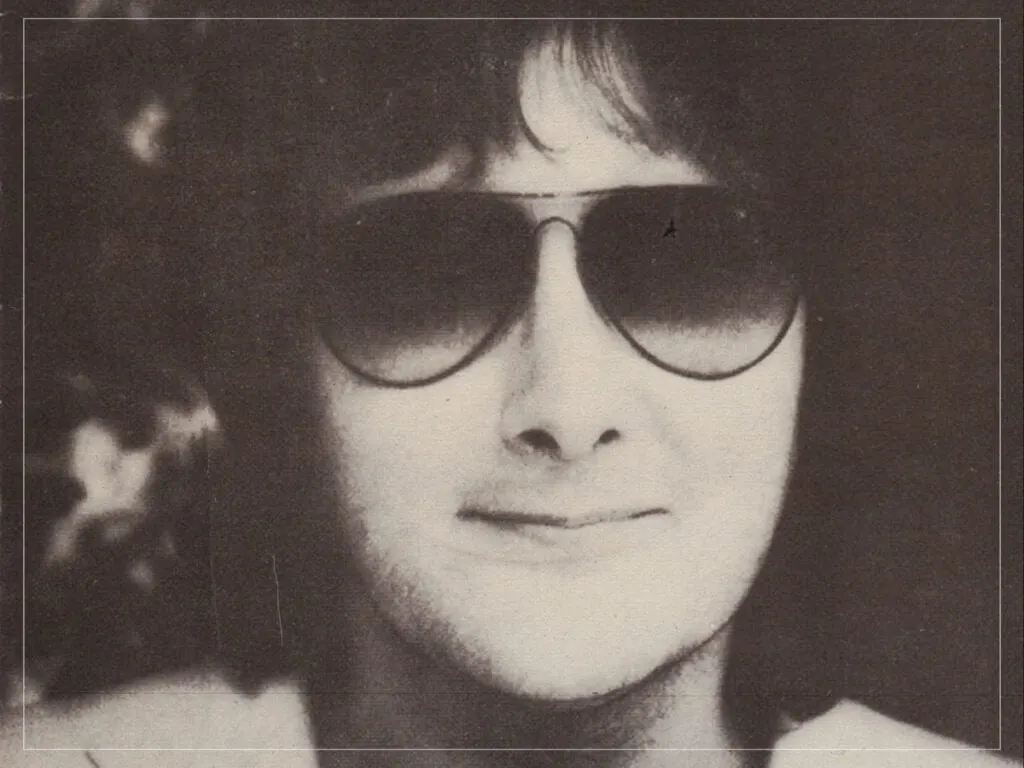
Gerry Rafferty’s 1978 hit “Baker Street” is best known for Raphael Ravenscroft’s saxophone line, but its celebrated guitar solo was played by session guitarist Hugh Burns. The article traces how Burns’s contribution formed part of a wider musical collaboration behind the song.
Rafferty played rhythm guitar and sang, while Nigel Jenkins provided additional rhythm guitar. Burns joined the London sessions for the album *City to City* after a gig with Jack Bruce, and later recalled recording “Baker Street” early in the session. The song reached number three in the UK singles chart and number two in the US pop chart; Burns went on to record six albums with Rafferty.
In short
- Hugh Burns played the “Baker Street” guitar solo.
- Gerry Rafferty sang and played rhythm guitar.
- Raphael Ravenscroft’s saxophone made the song instantly recognisable.
Explained simply
Gerry Rafferty's 1978 single "Baker Street" is one of the best-known songs of its era, largely because of its instantly recognisable saxophone riff, played by Raphael Ravenscroft. Many listeners assume the same musician played the guitar part that follows, but the celebrated guitar solo was in fact performed by a session guitarist, Hugh Burns. The song was the work of several musicians rather than one performer.
Rafferty, a Scottish singer-songwriter, wrote the song, sang it and played rhythm guitar, while Nigel Jenkins added further rhythm guitar. Burns was brought into the London recording sessions for the album *City to City*, having previously been playing with bassist Jack Bruce. Session musicians like Burns were hired to contribute specific parts to recordings, and their work often goes uncredited in the public imagination.
The track was a major commercial success, reaching number three in the UK singles chart and number two in the US pop chart. Burns later went on to make six albums with Rafferty, so his role in the song was part of a longer working partnership. The song's enduring popularity has kept interest alive in who exactly played on it.