Business news and discussion on TalkFuse.
Who wants their child to be a millionaire? Trump has given you that chance
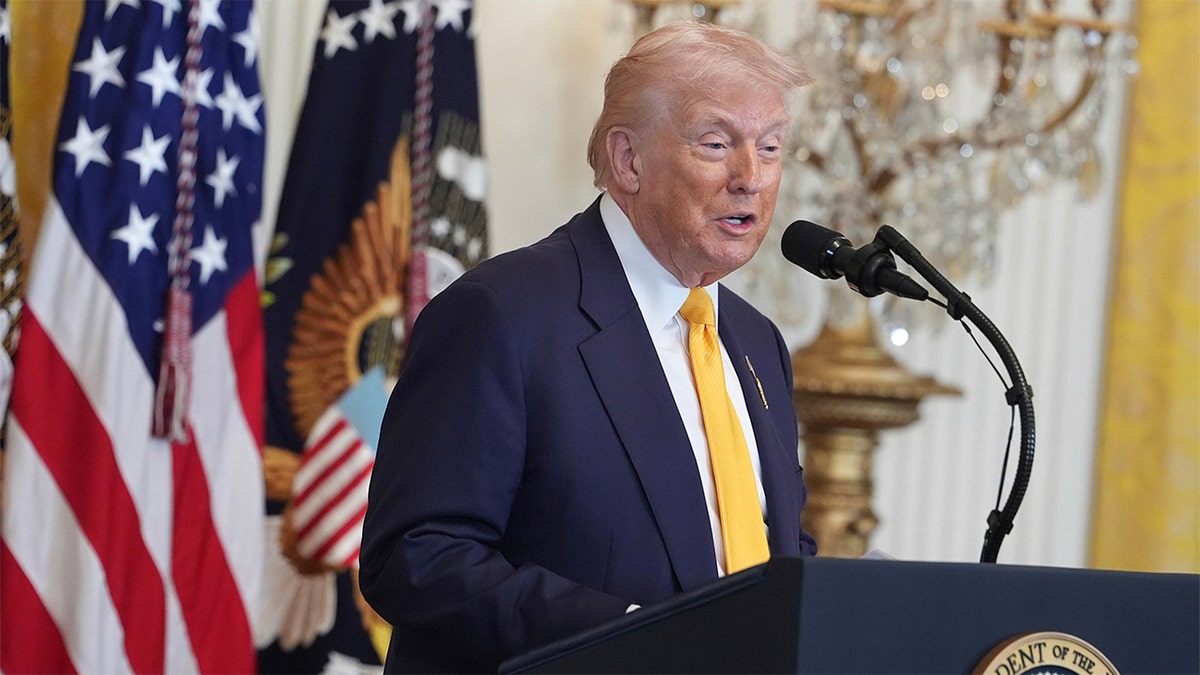
This Fox News opinion piece promotes "Trump Accounts," a new tax-advantaged savings scheme for American children that officially launched on 4 July. The author frames the accounts as a potentially significant wealth-building tool for families, presenting them as a practical way for parents, grandparents and guardians to begin accumulating money for children from birth. The piece is pitched as a response to worries that the next generation faces high housing costs, mounting debt and diminishing opportunities.
The accounts are described as tax-advantaged savings vehicles championed by President Donald Trump, intended to help children build long-term wealth over their lifetimes. The article notes that the initiative has drawn criticism from Democrats, a divide also reflected in an accompanying "The Five" segment in which the programme's supporters and detractors debate its merits. The bulk of the available text is an opinion argument in favour of the scheme rather than a detailed breakdown of contribution limits or rules, much of which is cut off in the provided excerpt.
Steelman: both sides, in good faith
The strongest fair case each way — we don't pick a winner.
The case for
Supporters view Trump Accounts as democratising tax-advantaged savings, allowing ordinary families to harness compound interest from birth to build meaningful wealth for their children's futures. They argue the scheme directly addresses genuine economic anxieties about housing costs and opportunity, offering a practical tool that extends financial advantages previously available mainly to wealthier families. Proponents see this as encouraging savings discipline whilst providing working families a concrete mechanism for intergenerational wealth accumulation.
The case against
Critics argue that tax-advantaged accounts primarily benefit families with discretionary income to contribute, potentially widening rather than narrowing wealth inequality. They contend the scheme addresses symptoms rather than causes: young people face structural challenges including housing affordability, education debt and healthcare costs that require direct government spending and policy solutions, not tax incentives that reduce public revenue. Sceptics view this as a regressive approach that claims to solve economic anxiety without tackling its underlying drivers.
Explained simply
Trump Accounts are a new savings system in the United States created to help families put money aside for their children's futures. The accounts are designed with tax breaks, meaning families keep more of the money they save rather than paying it to the government. The scheme officially began on 4 July.
The accounts were introduced because many Americans worry that young people today face financial hardship. Housing is expensive, student debt is common, and some believe young adults have fewer chances to build wealth than their parents did. The accounts aim to help by letting parents, grandparents and guardians start saving for children from birth.
The Trump Accounts have become part of American political debate. Some people view them as a practical tool to help families get wealthier over time, whilst others, including many Democrats, have criticised the programme. The disagreement reflects broader arguments in the United States about how to help young people succeed financially.