World news and discussion on TalkFuse.
Who will be able to see the solar eclipse?
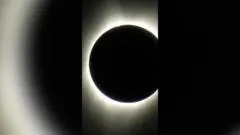
A BBC News video report explains which regions will be able to view an upcoming solar eclipse, following widespread public interest in eclipse events. The piece, published under the World, Eclipses and Nasa topics, sets out visibility expectations for viewers depending on their location.
The article is presented as a short video segment rather than a written report, so specific details such as the eclipse's date, type (total, partial or annular) and the precise countries or regions within its path of visibility are not given in the accompanying text. Viewers are directed to watch the video for the full explanation, with related coverage filed under the Eclipses, Nasa and Europe topic pages.
In short
- BBC video explains who can see the upcoming solar eclipse
- Report filed under World, Eclipses and Nasa topics
- Full details available only in the video, not text
Explained simply
A solar eclipse happens when the Moon passes between the Earth and the Sun, blocking some or all of the Sun from view. The Moon’s shadow falls on only part of the Earth, so whether people can see an eclipse depends on where they are.
In places where the Moon covers the whole Sun, the eclipse is total; elsewhere, only part of the Sun may be obscured. The Sun can still harm your eyes during an eclipse, so anyone watching needs suitable eye protection.