Who’s Afraid of Film Festivals? After Politics Rattled Berlin and Shook Up Cannes, Venice Braces for Impact
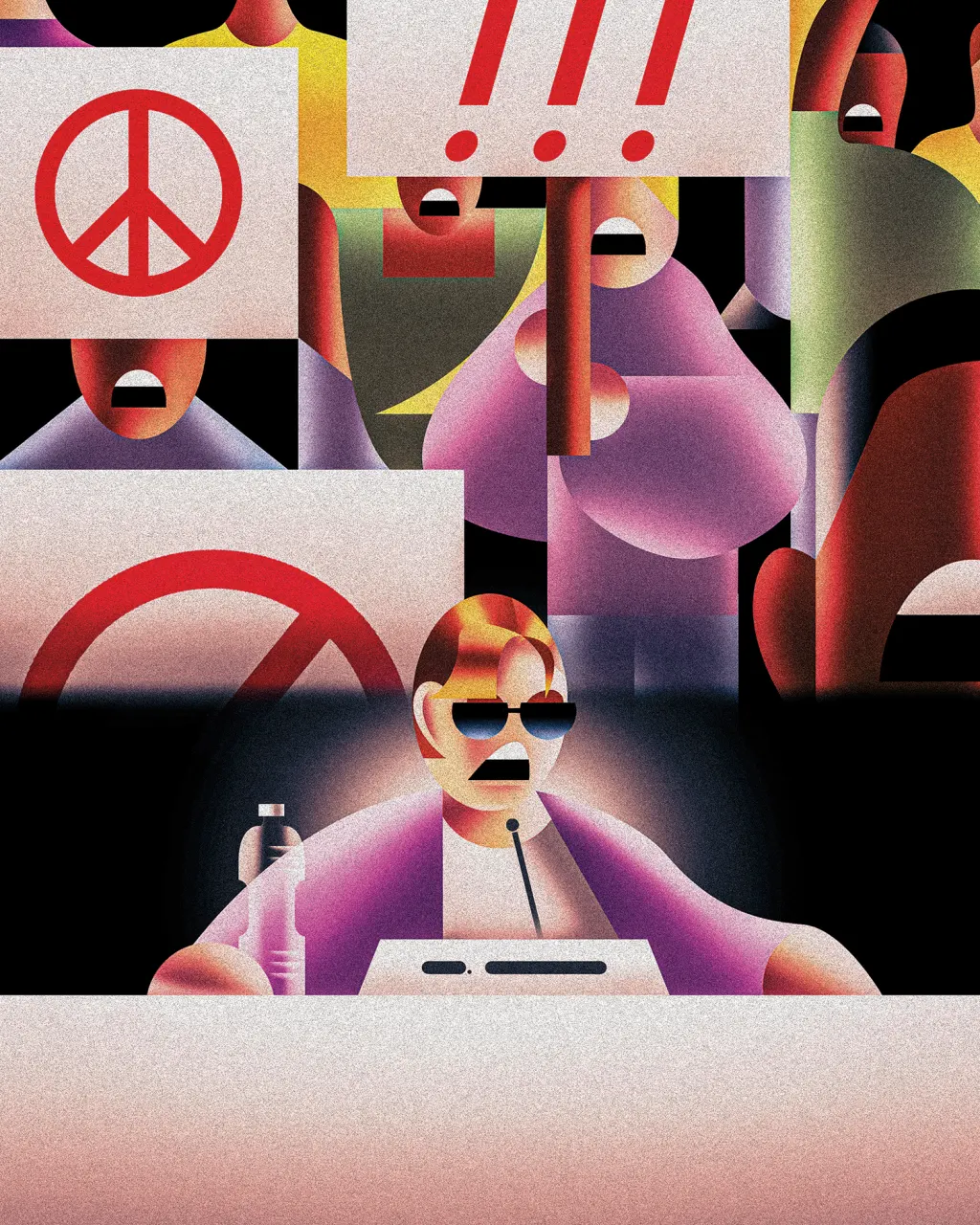
Political controversy has already disrupted this year’s major European film festivals, with disputes over Israel and Palestine, Russia, right-wing media influence and artificial intelligence prompting withdrawals, petitions and public criticism. Venice is expected to face similar pressure as it presents a deliberately political programme amid ongoing wars and wider concerns about censorship, democracy and shrinking freedoms.
Berlin faced backlash after jury president Wim Wenders suggested directors should avoid politics, while Cannes saw thousands protest Vincent Bolloré’s influence and debate Demi Moore’s comments on AI. Venice’s parent organisation has lost $2.3 million in European Commission funding over Russia’s Biennale presence, although president Pietrangelo Buttafuoco argues the institution must remain censorship-free; its programme includes films on Rupert Murdoch, Elon Musk, Palestine, immigration, climate change and authoritarianism.
- Venice prepares for political controversy after Berlin and Cannes disputes.
- EU withdraws $2.3 million from Venice Biennale funding.
- The festival programme foregrounds war, power, freedom and social tensions.
Both sides, in good faith
The strongest fair case each way — we don't pick a winner.
The case for
Film festivals should openly engage with politics because cinema is a public art form that helps audiences confront war, censorship, inequality and threats to democracy. Programming difficult subjects and resisting pressure to exclude controversial voices can protect artistic freedom, encourage informed debate and prevent cultural institutions from becoming timid when their independence matters most.
The case against
Film festivals should be cautious about becoming political battlegrounds, because their primary role is to assess artistic work rather than amplify campaigns or geopolitical disputes. Strong political signalling, boycotts and institutional statements can alienate audiences and artists, create uneven standards of inclusion, and risk replacing open cultural exchange with ideological tests.
Art Culture Entertainment Europe Film Government Middle East Music Politics World