Why a Chilean salt flat is a microcosm of the extractive frontiers of green capitalism
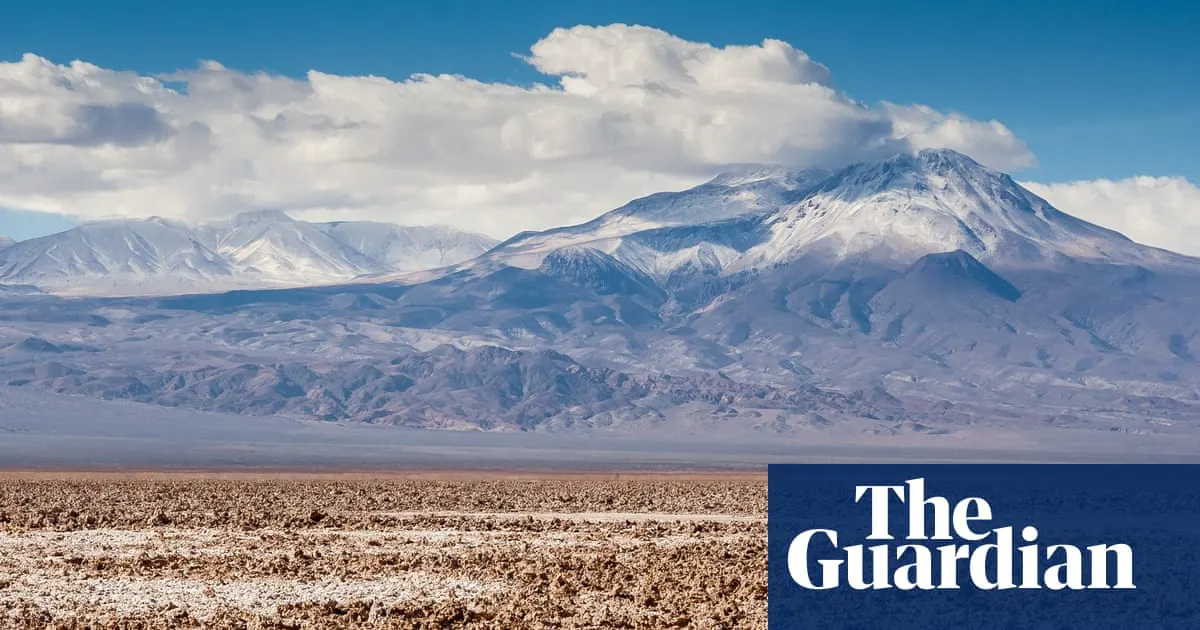
The Atacama salt flats in northern Chile contain nearly one-quarter of the world's lithium reserves, essential for batteries powering electric vehicles and renewable energy systems vital to addressing climate change. However, extracting this lithium presents a profound dilemma between our environmental goals and escalating social and environmental costs to the region's Indigenous communities.
The salt flat is located at 7,500 feet above sea level and functions as a closed basin where water flows in but can only escape through evaporation; as water evaporates, lithium concentration increases. Subsurface hydrothermal systems driven by geothermal heat from nearby magma further dissolve lithium from rock, creating brine deposits positioned between four and 200 feet below the surface, making this singular combination of climatic, geological and hydrological conditions economically attractive for mining companies.
- Atacama salt flats contain nearly a quarter of global lithium reserves
- Extracting lithium for climate goals threatens Indigenous communities and ecosystems
- Unique geology makes the region economically crucial for mining
New here? Start with this
Lithium is the key component in batteries powering electric vehicles and renewable energy systems that are vital for addressing climate change. The Atacama salt flats in northern Chile contain nearly one-quarter of the world's lithium reserves, making them strategically important for the global transition to clean energy. However, extracting this lithium presents a significant environmental and social challenge for the region and its Indigenous communities.
The salt flats lie at high altitude in a closed basin where water can only escape through evaporation, causing lithium concentrations to increase as water disappears. Beneath the surface, heat from nearby magma drives underground systems that dissolve lithium from rock, creating brine deposits positioned between a few metres and up to 60 metres below the ground. This unique combination of geological, climatic and hydrological conditions makes the Atacama salt flats exceptionally valuable for mining companies seeking to extract lithium.
The challenge lies in a fundamental tension between global energy needs and local impacts. The world needs lithium to address climate change, but extracting it imposes escalating environmental and social costs on Indigenous communities and the desert ecosystem.
Both sides, in good faith
The strongest fair case each way — we don't pick a winner.
The case for
Supporters argue that lithium extraction from the Atacama is essential to the global transition away from fossil fuels, as these batteries power electric vehicles and renewable energy storage systems critical to addressing climate change. They contend that denying access to nearly a quarter of the world's lithium reserves would significantly hinder climate mitigation efforts at a moment of urgent environmental need, and that the economic benefits and employment opportunities for Chile justify proceeding with extraction at scale.
The case against
Opponents maintain that the environmental and social costs to Indigenous communities are unacceptably high and fundamentally unjust, as lithium extraction consumes vast water supplies in an arid region, threatening the livelihoods of people who have lived sustainably there for centuries. They argue that sacrificing regional ecosystems and Indigenous water security to benefit wealthy nations' climate goals represents troubling resource extraction, and that alternative approaches—including improved battery recycling, technological alternatives, and more modest extraction levels—deserve serious consideration before maximising production.