Politics news and discussion on TalkFuse.
Why Andy Burnham must not allow another aid pledge to be broken
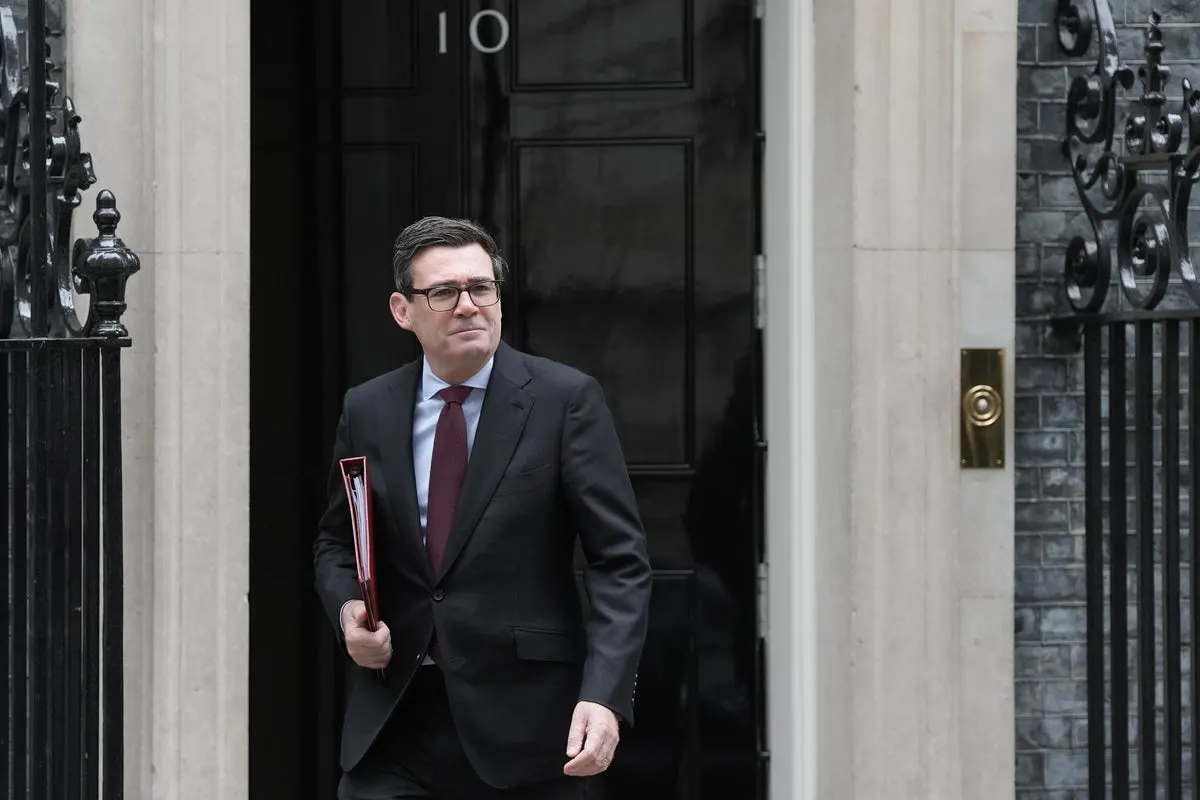
The article argues that Britain should meet its reduced commitment to spend 0.3 per cent of national income on aid, warning that a shortfall would undermine its credibility as it prepares to chair the G20 and G7. Fleur Anderson praises Andy Burnham’s statements on debt and climate, but says the government must match its promises with action.
Higher than expected inflation has left an estimated £320 million gap in the aid budget. The article says aid to ten of 17 African partner countries is being reduced to £5 million each, ending health programmes in Sierra Leone and Malawi; filling the gap would reverse almost 40 per cent of bilateral cuts in Africa. It also argues that UK spending on asylum accommodation is masking how low aid spending on overseas programmes has become, and urges Britain to champion debt relief, action on tax avoidance and better use of multilateral bank funding.
In short
- Britain faces a £320 million gap in its 0.3 per cent aid pledge.
- Aid cuts are set to end health programmes in Sierra Leone and Malawi.
- Meeting the pledge could help restore Britain’s credibility ahead of G20 and G7 presidencies.
Steelman: both sides, in good faith
The strongest fair case each way — we don't pick a winner.
The case for
Meeting the 0.3 per cent aid commitment would protect the credibility of government promises, particularly as Britain prepares to chair major international groups. Restoring the shortfall could limit cuts to African partners and keep health programmes running, while signalling that the UK intends to support its calls for debt relief and climate action with resources.
The case against
With inflation pushing up costs and public funds under pressure, the government could argue that it must weigh aid against urgent domestic needs and other spending priorities. It may also judge that the existing aid budget should be focused on the most effective programmes, rather than restoring allocations simply to meet a target, while pursuing debt relief and development through diplomatic and multilateral channels.
Explained simply
The UK’s aid budget funds programmes in other countries, including health services and responses to poverty and climate change. The government has reduced its aid target to 0.3 per cent of national income, and inflation can affect how much that commitment buys.
Andy Burnham is a senior Labour politician who has spoken about debt and climate issues. Fleur Anderson, a Labour MP, argues that the UK’s aid promises should be reflected in its spending; the debate also touches on how aid is counted alongside costs such as housing people seeking asylum.
The UK is due to chair the G20 and G7, groups where major economies discuss global issues. Its aid spending may affect how other countries view its commitments, while debt relief, tax avoidance and funding through international development banks are among the wider issues under discussion.