US TSA’s chair removal highlights unequal expectations of workers
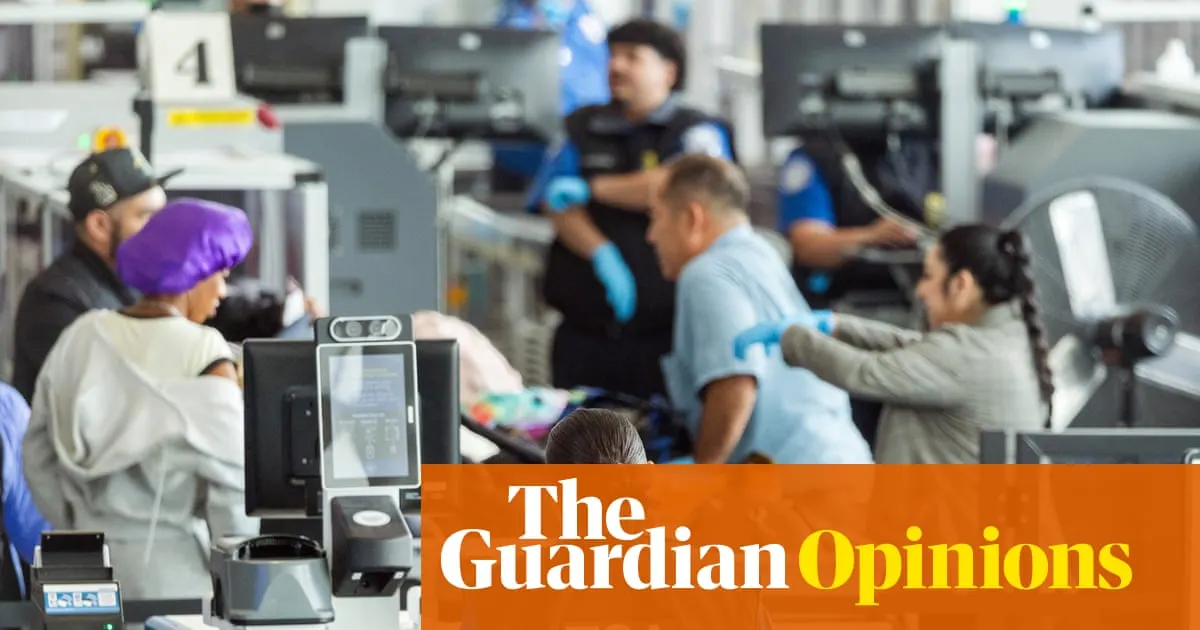
The Trump administration has removed chairs from TSA travel document checking stations, saying that standing reinforces professionalism, security and hospitality. The opinion piece argues that the policy reflects a wider US workplace expectation that many lower-paid workers should stand, while senior figures such as the president can work seated.
US supermarket cashiers have traditionally been expected to stand, unlike many of their British and European counterparts, although the article says this is gradually changing and points to Aldi as an employer that provides chairs. It links the practice to attitudes about work and a lack of labour protections, and notes that TSA staff also worked without pay during recent government shutdowns, while members of Congress continued to receive salaries unless they opted out.
- TSA document checkers have had their chairs removed.
- US supermarket cashiers are also often expected to stand.
- The article contrasts workers’ conditions with those of political leaders.
New here? Start with this
The Transportation Security Administration (TSA) checks travel documents at US airport security points. Its officers are federal government employees, and their working conditions are shaped by rules set by the administration and by wider US employment practices.
Standing for long periods is common in some US service jobs, including supermarket checkout work, though some employers are changing that practice. Workers’ ability to challenge workplace rules also depends on labour protections and their employer.
The issue has drawn attention to differences in how working conditions affect employees at different levels. During government shutdowns, TSA staff may be required to work without pay until funding resumes, while members of Congress continue to receive salaries unless they choose otherwise.
Both sides, in good faith
The strongest fair case each way — we don't pick a winner.
The case for
Removing chairs could be defended as a way to maintain alertness and a consistent public-facing presence at security checkpoints, where staff handle sensitive documents and help travellers. Supporters may see standing as a reasonable part of the role, provided the policy is applied consistently and workers’ health and breaks are protected.
The case against
Requiring staff to stand throughout document checks may impose avoidable discomfort and health risks, with little clear evidence that posture improves security or service. Critics see the policy as reflecting unequal workplace expectations: lower-paid workers have less say over working conditions, even as senior officials can work seated and TSA staff have faced unpaid work during shutdowns.
Americas Business Culture Government Politics Travel World
Read the full article at the source →
Originally published by The Guardian as “Why are so many Americans forced to work standing up – unlike their president? | Arwa Mahdawi”.