Why as an SAS soldier it goes against decades of training to speak out
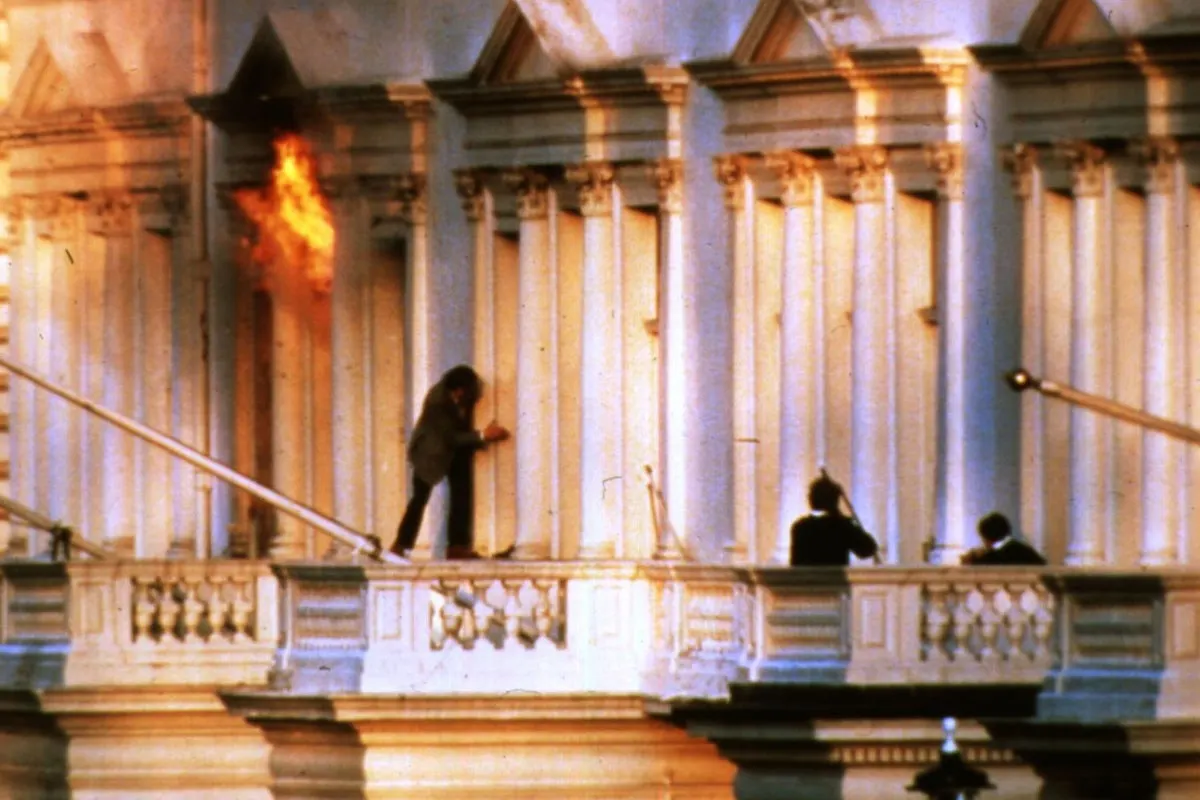
A former SAS officer describes how publicly discussing his military service defies years of rigorous training in secrecy and discretion. The culture of silence within the regiment is so deeply embedded that even close colleagues would never ask about operations or whereabouts. By speaking out, he challenges one of the regiment's most fundamental principles.
The article explains the "Resistance to Interrogation" training which teaches soldiers to disclose only the "Big 4" items if captured, based on research showing that rapport is more effective than coercion in extracting information. The secrecy culture extends far beyond interrogation training: within the regiment, personnel follow strict "need to know" protocols where colleagues in different squadrons would never discuss operations, tactics, or technology. The officer describes this opsec as "a tangible force" and "almost a religion" within the SAS.
- Former SAS officer speaks out despite decades of secrecy training.
- Culture of silence runs so deep that even close colleagues never ask about operations.
- Resistance to Interrogation training based on psychological vulnerability rather than physical resistance.
New here? Start with this
The SAS is Britain's special forces regiment, and it operates under an exceptionally strict culture of secrecy and discretion. This atmosphere of silence is so deeply embedded through years of training and practice that even close colleagues would never ask about operations or whereabouts.
SAS personnel follow strict "need to know" protocols, where each soldier learns only what is essential for their specific role. This culture of secrecy extends to formal training programmes like Resistance to Interrogation, which teaches soldiers that if captured, they should disclose only their name, rank, number and date of birth.
A former SAS officer who has publicly discussed his military service is therefore going against decades of deeply ingrained training and culture within the regiment. This is significant because the culture of secrecy within the regiment is so fundamental that it has been described as "almost a religion".
Both sides, in good faith
The strongest fair case each way — we don't pick a winner.
The case for
Advocates for permitting former personnel to speak out emphasise individual autonomy and the democratic value of institutional transparency. Those no longer in active service should retain some freedom of expression, and carefully shared accounts of training culture or operational experience need not compromise current security. This view holds that accountability and free speech can coexist with genuine operational protection.
The case against
Those defending absolute silence argue that operational security is fundamentally life-or-death, protecting serving personnel through complete information compartmentalisation. Even accounts by former members can reveal tactics, locations, methods, or personnel, jeopardising active operations and lives. They contend that the culture of silence is foundational to institutional trust and cohesion, and that permitting exceptions—however well-intentioned—undermines the entire system.