New releases, music videos and album news — indie, rap, rock and pop. Always covering Ren, Chris Webby, Sam Tompkins, bbno$, CHINCHILLA, Muse, Yungblud and more.
Why Bruce Springsteen almost deleted his 1975 masterpiece from history: “It sounds terrible”
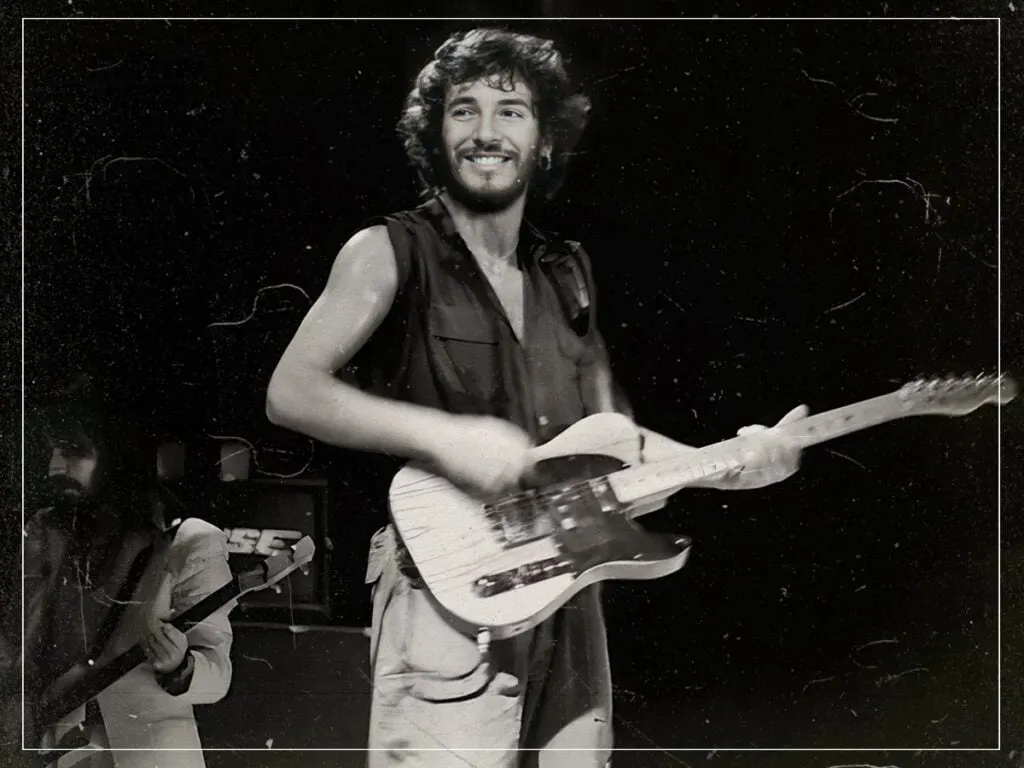
Bruce Springsteen briefly considered scrapping his 1975 album *Born to Run* after hearing its mastered version, because he disliked the sound of his own voice and felt uneasy about choices made during recording. The incident matters because the record became his breakthrough and is widely regarded as one of rock music’s defining albums.
Springsteen recalled listening to the master with producer Jimmy Iovine during a tour and joking that it should be thrown into the hotel pool rather than released. He was 24 when he made the album; despite his doubts, it went on to sell more than six million copies in the United States and establish him among rock’s leading artists.
In short
- Springsteen initially wanted to discard *Born to Run*.
- He struggled to hear his own voice positively.
- The album became his commercial breakthrough.
Steelman: both sides, in good faith
The strongest fair case each way — we don't pick a winner.
The case for
Springsteen's discomfort with his own voice and recording choices represented legitimate artistic concerns deserving respect. Young artists should trust their creative instincts and maintain agency over their work; dismissing such concerns as mere insecurity risks normalising a culture where artists distrust their own judgment. That the album ultimately succeeded does not retroactively invalidate the seriousness with which his doubts warranted consideration in the moment.
The case against
Springsteen's anxieties proved demonstrably unfounded, illustrating how young artists often misjudge their own work through inexperience and self-doubt. The perspective of experienced professionals like Jimmy Iovine and the eventual reception by millions of listeners provided crucial counterweight to a 24-year-old's panic. Encouraging young creatives to overcome self-doubt and trust expert mentorship is far more likely to preserve important work than validating every moment of creative anxiety.
Explained simply
Bruce Springsteen is an American singer and songwriter whose early records drew on rock and roll and stories of working-class life. In 1975, aged 24, he made Born to Run with producer Jimmy Iovine, shaping it through an intensive recording process.
The album became Springsteen’s breakthrough in the United States and is widely regarded as a landmark in rock music. Its success helped establish him as one of the era’s leading artists, giving his doubts about the finished recording particular significance.