Why China Is the Bogeyman Data Center Enthusiasts Just Can’t Quit
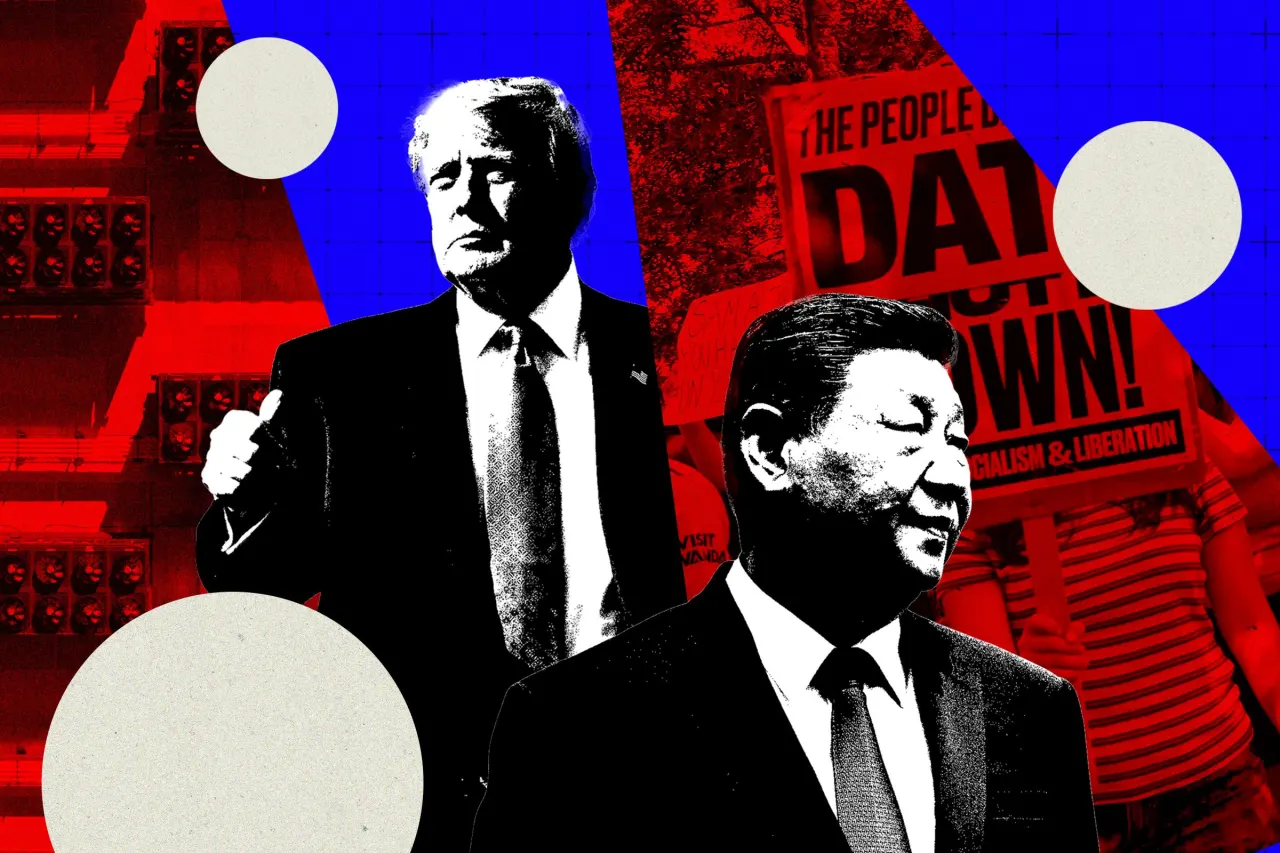
American opposition to data centres is hardening, and rather than address the underlying causes, some tech leaders and Republican politicians are pushing the narrative that Chinese influence operations are behind the backlash. This matters because it risks obscuring genuine, homegrown grievances—environmental impact, energy costs and unease about AI—behind a convenient scapegoat that shifts blame away from the industry and its political allies.
Polling shows opposition to local data centre construction has surged to 75 percent, up from 42 percent a year ago, prompting even previously supportive politicians like Greg Abbott and Josh Shapiro to distance themselves ahead of the midterms. In late August, X said it had found 200 China-linked accounts spreading anti-data centre content, a claim amplified by right-wing figures and even Donald Trump, though it was just a fraction of a 200,000-account bot farm the platform identified. Experts, including OpenAI's own June report and analytics firm Graphika, say such accounts mostly exploit existing domestic discontent rather than manufacture it, and that hard evidence of significant foreign interference remains thin.
In short
- US opposition to data centres has jumped to 75% from 42%.
- Some tech and political figures blame Chinese influence for the backlash.
- Experts say evidence of foreign interference is weak; opposition is mostly homegrown.
Steelman: both sides, in good faith
The strongest fair case each way — we don't pick a winner.
The case for
Those who take the foreign-interference warnings seriously argue that vigilance is simply prudent: state-linked actors have a well-documented history of amplifying divisive domestic issues to sow discord and slow strategic rivals, and China has clear incentives to hinder US AI infrastructure. Even accepting that the 200 flagged accounts merely amplified rather than invented the backlash, they contend that amplification still matters, as it can intensify and accelerate opposition beyond its organic level. On this view, highlighting such activity is a reasonable act of public awareness rather than an attempt to dismiss genuine concerns.
The case against
Sceptics of the China narrative argue that pointing to 200 accounts out of a 200,000-strong bot farm, when independent experts and even OpenAI's own analysis found little evidence that foreign actors are manufacturing rather than merely riding a wave of dissent, risks scapegoating outsiders for what is a genuine and rapidly growing domestic movement. They see the surge from 42 to 75 percent opposition as reflecting real, homegrown anxieties over energy costs, water use, land impact and unease about AI, grievances serious enough to make even previously supportive politicians retreat. On this view, framing critics as unwitting tools of a foreign influence campaign conveniently shifts blame away from industry and allied politicians rather than engaging with legitimate constituent concerns.
Explained simply
Data centres are large facilities filled with computer servers that store information and power online services, including artificial intelligence. Building them can bring investment and jobs, but they also use substantial amounts of electricity and water, which can affect local resources and bills.
Residents’ concerns about those effects have fed growing opposition to new projects in the United States. Some technology leaders and politicians have suggested that Chinese influence campaigns are helping drive the backlash; the debate matters because it concerns both foreign interference and whether local concerns about data centres are being heard.