Entertainment news and discussion on TalkFuse.
Why did Frank Zappa take aim at The Beatles and ‘Sgt Pepper’ in 1968?
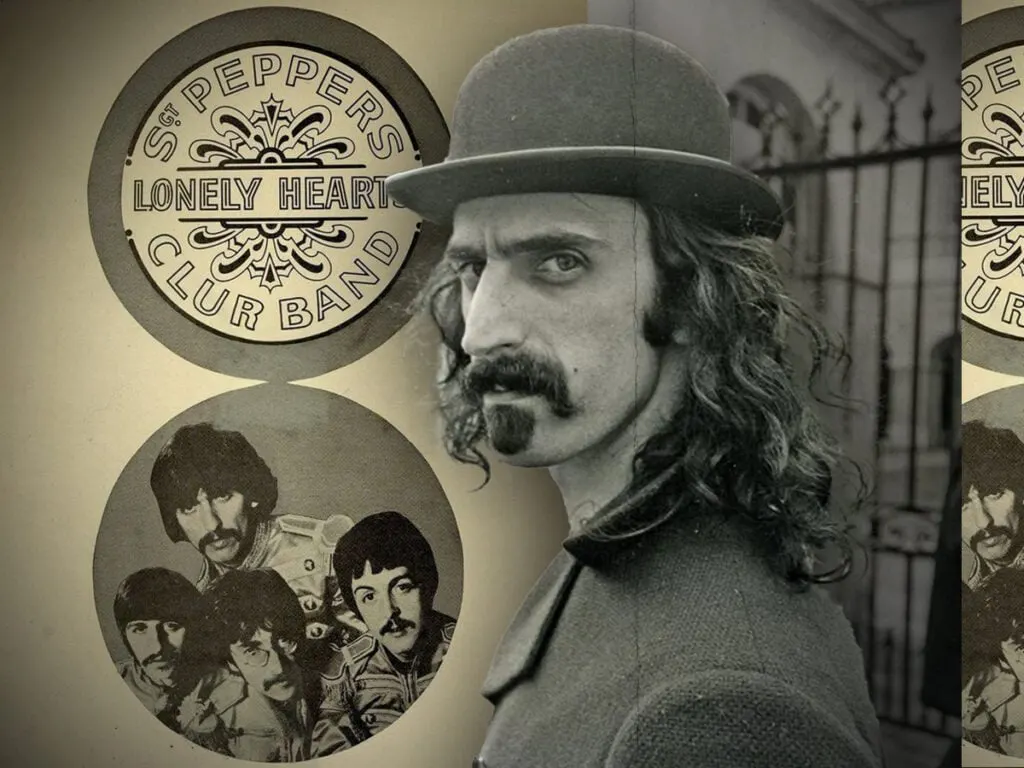
Frank Zappa, the boundary-pushing bandleader of the Mothers of Invention, was a lifelong "cultural contrarian" who avoided drugs and drink even as fans assumed he embodied 1960s West Coast psychedelia. This context shapes why he later took issue with The Beatles, particularly around the time of "Sgt. Pepper's Lonely Hearts Club Band", as he viewed their mass appeal partly through a lens of calculated marketability rather than pure artistic risk-taking.
In a 1968 essay for Life magazine, Zappa praised The Beatles' early energy and their ability to speak directly to young people, but also argued that their success rested on being "cute, safe, and white". He saw cuteness as a factor entirely separate from musical talent yet crucial to commercial success, a tension that came to a head when the band shed their clean-cut image in 1967, growing hair and beards similar to his own and repositioning themselves as more experimental artists.
In short
- Zappa avoided drugs and alcohol despite his psychedelic-era image.
- He praised early Beatlemania but criticised the band's calculated "cute" appeal.
- Tension grew when The Beatles adopted a more experimental, less clean-cut look in 1967.
Steelman: both sides, in good faith
The strongest fair case each way — we don't pick a winner.
The case for
Zappa’s criticism can be read as a defence of artistic independence and a challenge to the idea that commercial success proves artistic daring. The Beatles’ clean-cut image and broad appeal may have made them especially marketable, and their later turn towards experimental music risked presenting a carefully managed reinvention as uncompromising innovation. His praise for their early energy suggests he was questioning the cultural packaging around their talent, rather than dismissing the music outright.
The case against
The Beatles’ popularity and approachable image need not undermine the seriousness of their music or the risks they took as artists. Their move from clean-cut pop to longer hair, beards and more experimental work could be seen as genuine artistic development, not simply a marketable change of costume. Judging that evolution mainly through the lens of commercial appeal may understate both their creative choices and their ability to connect with a wide audience.
Explained simply
Frank Zappa led the Mothers of Invention, a band known for mixing rock with satire and unusual musical ideas. Although people associated him with the 1960s psychedelic scene, he avoided drugs and drink and often challenged popular cultural trends.
The Beatles had become one of the world’s most successful pop groups, first with a clean-cut image and direct, energetic songs. Their 1967 album Sgt. Pepper’s Lonely Hearts Club Band marked a more experimental phase, as the band also changed their appearance.
In a 1968 essay, Zappa recognised the Beatles’ talent and appeal but argued that their wholesome image helped make them commercially successful. His criticism reflected a wider question about how popular music balances artistic experimentation with the qualities that attract a mass audience.