Why did Modi urge Putin to end Ukraine war – and will he listen?
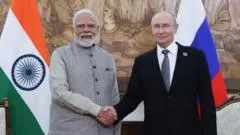
Indian Prime Minister Narendra Modi has publicly urged Russian President Vladimir Putin to end the war in Ukraine, telling him to move towards "an end of war" rather than continued conflict. The appeal, made on Monday, is not a shift in Delhi's stance but reflects India's long-standing policy of strategic autonomy and its deep, decades-old ties with Moscow, which remains a major supplier of both discounted oil and defence equipment to India. Despite Western pressure on Delhi to condemn Russia more forcefully, India has consistently favoured neutrality and dialogue over taking sides, and analysts say Modi's remarks are unlikely to unsettle relations with the Kremlin or come as a surprise to Putin.
Putin's response was polite but non-committal, thanking Modi and saying Russia was "moving forward along this path" towards peace, without indicating any change in approach. Modi has made similar appeals before, including telling Putin in 2022 that "now is not the time for war", and other leaders such as Kazakhstan's president have made comparable calls in recent weeks with no visible effect. More than four and a half years into the invasion, Russia's leadership appears to believe it remains on course for military victory, even as Ukraine continues to strike back, including with long-range drone attacks on Russian oil infrastructure.
In short
- Modi publicly urged Putin to end the Ukraine war
- Reflects India's neutral stance, not a policy shift
- Putin gave a vague, non-committal reply; fighting continues
Steelman: both sides, in good faith
The strongest fair case each way — we don't pick a winner.
The case for
Modi’s appeal gives India a way to press for an end to the fighting while preserving its strategic autonomy and channels with Moscow. Supporters can argue that India’s longstanding ties and role as a major Russian trading partner make candid dialogue more useful than public condemnation, and that even a non-committal response keeps diplomacy in view.
The case against
Critics can argue that a carefully worded appeal, without stronger pressure or consequences, is unlikely to change Putin’s calculations while Russia’s leadership believes it can win militarily. They may also see India’s continued economic and defence ties with Moscow as weakening the force of its call for peace, especially when similar appeals have produced no visible shift.
Explained simply
India has kept close ties with Russia for decades, especially for oil and defence equipment. At the same time, it has avoided joining Western countries in condemning Moscow over the invasion of Ukraine, saying it prefers dialogue and wants to keep its freedom to make its own foreign policy choices.
Narendra Modi’s calls for peace fit that approach: India can urge an end to the fighting while maintaining its relationship with Vladimir Putin. Russia’s response to earlier appeals has not signalled a change in its policy, and Putin’s latest reply offered no clear indication that his approach would shift.
The war matters to India because its ties with Russia affect energy supplies and defence. It also puts Delhi under pressure from countries that want it to take a firmer position, while India seeks to preserve relationships with both Moscow and Western governments.