World news and discussion on TalkFuse.
Why did Ryanair-Air Malta plane window blow out mid-air and could it happen again?
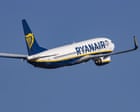
A Ryanair-operated Air Malta flight from Thessaloniki was forced to turn back after a window blew out mid-air, nearly sucking passenger Ljubisa Karović out of the Boeing 737-800. He was saved by his seatbelt and the help of his wife and fellow passengers, though he suffered facial bleeding, a badly damaged hand and friction burns and is being treated in hospital. The incident has raised fresh questions about aircraft safety, coming after similar though rarer cabin decompression events on other airlines.
Passenger accounts suggest the window was struck by debris after the plane's right engine failed at around 16,000ft, with footage appearing to show a missing fan blade, though investigators have not yet confirmed the cause. Such incidents remain extremely rare: the last comparable case was in 2018, when a Southwest Airlines passenger, Jennifer Riordan, died after being partially blown out of a window following a similar fan blade failure. Other precedents include a 2024 Alaska Airlines door panel blowout, a Sichuan Airlines co-pilot who survived a shattered cockpit window in 2018, and a British Airways pilot who survived being held out of a blown windshield by his legs for 20 minutes in 1990.
In short
- Ryanair-Air Malta window blew out mid-air near North Macedonia
- Passenger nearly sucked out, saved by seatbelt and others
- Echoes 2018 Southwest incident that killed a passenger
Explained simply
A window on a commercial aircraft suddenly failed during flight, creating a loss of cabin pressure. Whilst passengers and crew receive training for such emergencies, this type of structural failure poses extreme danger and can cause severe injuries despite modern aircraft safety systems.
Aircraft windows and structures can fail due to manufacturing defects, impact damage, or structural stress. Recent incidents across different airlines have sometimes been traced to engine problems or debris, though each case has unique circumstances that investigators must examine carefully.
Such incidents remain extraordinarily rare in modern aviation, yet similar cabin failures have occurred sporadically over decades. These events prompt regulatory reviews and discussion about safety standards, particularly when multiple incidents occur within a short period, raising questions about whether existing procedures remain adequate.
Americas Business Culture Entertainment Film Markets Travel World