Why do I have to pay for buses if I don’t use a smartphone? | Letter
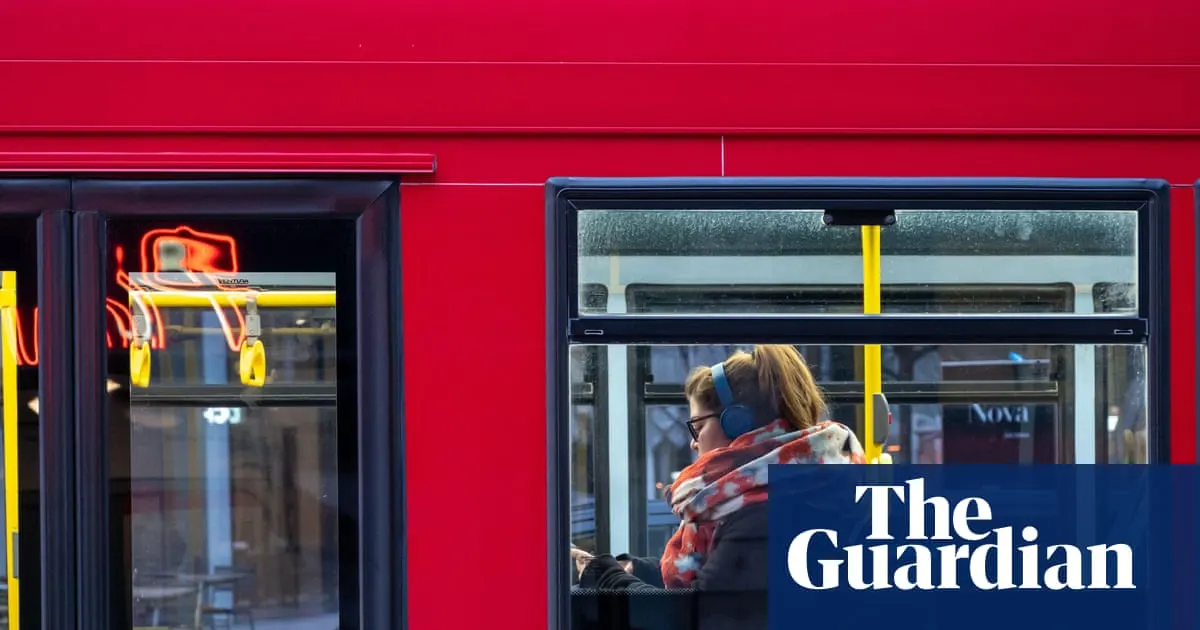
Owen Fraser argues that cheaper bus fares should be available to passengers who do not use a smartphone. He says app-only discounts make accessible public transport depend on a passenger’s choice of phone software, adding to costs during a cost-of-living squeeze.
Fraser lives in Scotland, where under-22s can travel free using a physical national entitlement card. But he says First’s monthly bus pass in his area is only available through its app, while a weekly pass can be bought on the bus; this leaves him paying £264 more each year. He says other services, including supermarket loyalty schemes, also increasingly rely on apps.
- Fraser says app-only bus passes cost him £264 extra a year.
- Scotland offers free bus travel to under-22s with a physical card.
- He argues public transport discounts should not require a smartphone.
New here? Start with this
Many bus operators across the UK now offer cheaper fares exclusively through smartphone apps. This creates a two-tier system where customers using apps pay less than those who prefer cash, card, or have no access to smartphones.
In Scotland specifically, under-22s receive free bus travel via a physical national entitlement card. However, some bus operators like First Bus only offer discounted monthly passes through their apps. Passengers without smartphones must either buy more expensive weekly passes on the bus or do without the monthly discount, which can cost hundreds of pounds more per year.
The issue highlights a broader tension between convenience and access. As services increasingly move to app-only options, people face a choice between purchasing smartphones and data plans or paying higher prices for essential services. This becomes more pressing during periods of economic strain when transport costs are already a significant household expense.
Both sides, in good faith
The strongest fair case each way — we don't pick a winner.
The case for
Public transport is essential infrastructure that should be accessible to everyone regardless of technology adoption or personal choice. Requiring app-only access for the cheapest fares effectively penalises those without smartphones, the elderly, those with disabilities, or those simply preferring not to use certain software. The government already recognised this principle by providing free under-22 travel via physical cards; equivalent protection for fair pricing serves the same principle of ensuring cost-of-living support doesn't depend on technological gatekeeping.
The case against
Digital payment systems operate at substantially lower cost than physical ticketing infrastructure, and operators should be permitted to reflect those savings in their pricing structures. Incentivising app-based transactions improves efficiency for everyone by reducing congestion at physical payment points and enabling better service delivery. Those choosing not to adopt available digital solutions shouldn't necessarily expect identical pricing to early adopters; operators can reasonably encourage the most efficient payment method, much as online retailers typically offer better deals than physical stores.