World news and discussion on TalkFuse.
Why Dolly Parton could bring together Americans who agree on almost nothing
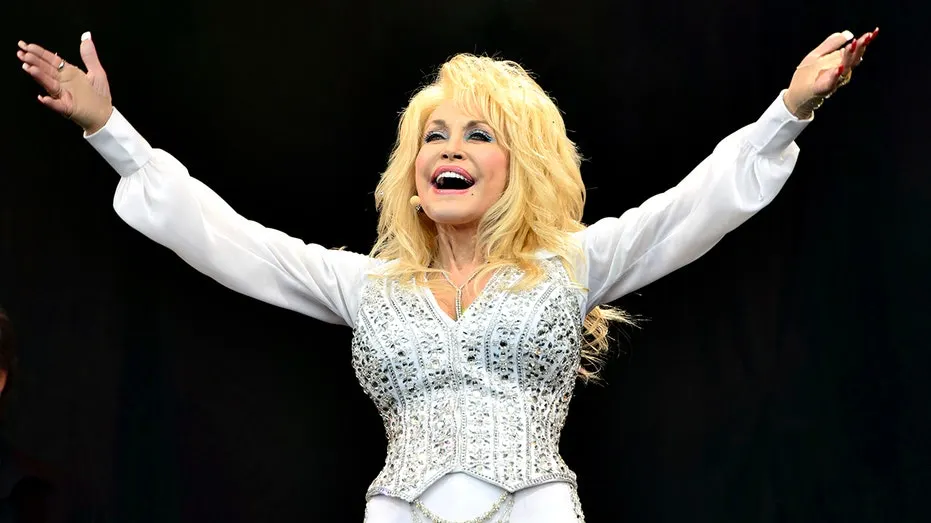
The article argues that Dolly Parton’s broad appeal reflects more than her talent, success or philanthropy: the author sees her as someone who treated others with warmth and dignity across political, religious and social divides. It presents her public persona as a rare unifying force in a polarised United States and suggests that her example remains meaningful beyond her life.
The author connects Parton’s conduct to Ubuntu, an African idea commonly expressed as “I am because we are”, describing it as a belief in recognising and expanding other people’s humanity. Parton’s Imagination Library, which has distributed hundreds of millions of books to children, is cited as evidence of her commitment to creating opportunities for people she did not know. The piece encourages readers to adopt the same inclusive approach rather than reducing others to labels, mistakes or affiliations.
In short
- The article portrays Parton as a figure who bridged American divisions.
- It links her outlook to the Ubuntu philosophy of shared humanity.
- Her book charity is presented as a lasting example of that outlook.
Steelman: both sides, in good faith
The strongest fair case each way — we don't pick a winner.
The case for
Individual warmth, dignity and genuine care across political and social divides embodies the Ubuntu principle that our shared humanity transcends disagreement. Dolly Parton's consistent practice of this, backed by concrete philanthropic action through the Imagination Library, demonstrates such values need not remain sentimental but can drive meaningful change. In an increasingly fractured society, her example shows that you need not abandon your convictions to recognise and respect the fundamental humanity of those with whom you differ.
The case against
Whilst personal warmth is admirable, the article risks suggesting that interpersonal kindness is sufficient to address America's deep divisions. These divisions often stem from fundamentally different views about how society should be organised, who deserves resources, and what justice requires—questions demanding rigorous political engagement rather than mutual niceness alone. Additionally, presenting a carefully curated public persona as the model for unity may obscure the harder work of navigating substantive disagreement and could inadvertently delegitimise necessary advocacy.
Explained simply
Dolly Parton is an American singer and songwriter who became one of country music’s best-known performers. She is also known for the Imagination Library, a programme that gives books to young children.
The idea of Ubuntu is often summed up as “I am because we are”. It emphasises people’s shared humanity and the importance of how they treat one another.
Parton is admired by people with different beliefs and political views. Her career and charitable work have made her an example in discussions about whether kindness and practical help can build connections across social divides.