Entertainment news and discussion on TalkFuse.
Why fans are digging their claws into Wolverine over its patronising gameplay
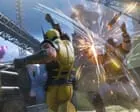
Marvel’s Wolverine has become a focus for criticism of patronising design in blockbuster video games. Although reviews were reasonably positive, viral clips showing excessive visual prompts, guidance and automated sequences have led players to mock the game and question whether modern titles remove too much challenge and player agency.
The article distinguishes difficulty from “friction”: difficulty concerns how hard a game is, while friction describes how much assistance it provides. Wolverine’s sonar pulses, highlighted targets, objective trails and characters’ constant instructions are presented as examples of design that may prevent players becoming stuck but can also eliminate discovery, decision-making and the satisfaction of overcoming obstacles.
In short
- Wolverine faces backlash over excessive guidance.
- Players say modern games remove agency.
- Good design balances clarity with meaningful challenge.
Steelman: both sides, in good faith
The strongest fair case each way — we don't pick a winner.
The case for
Clear prompts, highlighted targets and frequent guidance can make a big, complex game easier to follow, especially for players unfamiliar with its conventions or those who benefit from accessibility support. They can keep the story moving and reduce frustrating dead ends, while adjustable assistance lets more people enjoy the game at their own pace.
The case against
When guidance is constant or unavoidable, it can take choices away from players and make exploration feel like following instructions rather than solving problems. Players who want to notice clues, decide where to go and earn progress through their own judgement may find that excessive assistance drains challenge and satisfaction, even if the game is not especially difficult.
Explained simply
Marvel’s Wolverine is a video game based on the Marvel character, a fighter with retractable claws and heightened senses. Big-budget games often guide players with visual cues and spoken instructions, helping them follow the story and find their way through each level.
The debate is about how much help makes a game easier to follow and when it starts to limit players’ choices. Difficulty is how hard a game is; friction is how much guidance and assistance it gives. This matters because players differ in how much direction they want, while game makers must decide how much room to leave for exploration and problem-solving.
Celebrity Culture Entertainment Gaming Marvel's Wolverine Technology