Politics news and discussion on TalkFuse.
Why is Shabana Mahmood tackling ‘two-tier policing’ if she doesn’t believe it exists? | Gaby Hinsliff
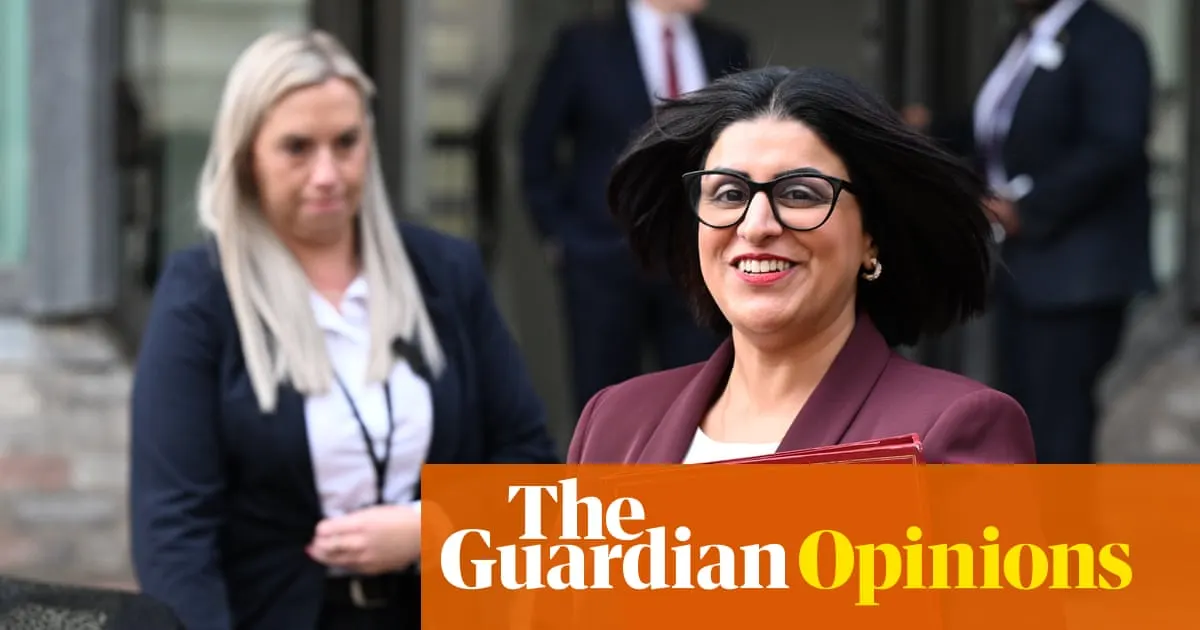
Shabana Mahmood has announced plans for a new police impartiality code while saying there is no evidence that “two-tier policing” exists. The article argues that scrapping anti-racism guidance and restricting police participation in Pride events risks accommodating a rightwing political claim instead of challenging it.
Mahmood says the public sees the guidance as absurd and wants police to avoid politicised symbols and activist engagement. The guidance states that equality does not always mean treating everyone identically; critics have not shown it affected officers’ handling of Henry Nowak, who was wrongly handcuffed while dying. A court ruling that police participation in Pride could breach impartiality rules followed a challenge by a lesbian activist, while the article also recalls failures and misconduct that prompted forces to seek stronger ties with LGBTQ+ communities.
In short
- Mahmood plans a new police impartiality code.
- She says there is no evidence of two-tier policing.
- The article warns against yielding to culture-war pressure.
Steelman: both sides, in good faith
The strongest fair case each way — we don't pick a winner.
The case for
Police impartiality depends on public confidence that officers apply the law consistently and do not appear aligned with political causes. If guidance and visible participation in events such as Pride make some people doubt that neutrality, a clear code and limits on activist engagement could reassure the public while leaving officers free to treat people fairly under the law.
The case against
Impartiality need not mean treating different circumstances identically, and equality guidance can help officers recognise barriers without dictating whom they police or how. Restricting anti-racism guidance and community engagement may weaken efforts to address documented misconduct and build trust, while conceding to claims of two-tier policing that the article says lack evidence.
Explained simply
Shabana Mahmood is the UK home secretary, responsible for policing policy in England and Wales. Police forces are expected to act impartially, while also working with communities and responding to concerns about discrimination.
“Two-tier policing” is a claim that police treat people differently because of their politics or identity. Guidance on equality says that treating people fairly can sometimes mean recognising that people face different circumstances; debate over the guidance has included whether it affects officers’ decisions.
Police contact with groups such as LGBTQ+ communities has grown partly in response to past failures and misconduct. Rules about taking part in events such as Pride raise questions about how forces can build public trust while keeping their public role impartial.