News, events and chat from Sheffield and South Yorkshire.
Why it’s vital Sheffield fights the blight of empty buildings
Developed over time first seen 3 months ago
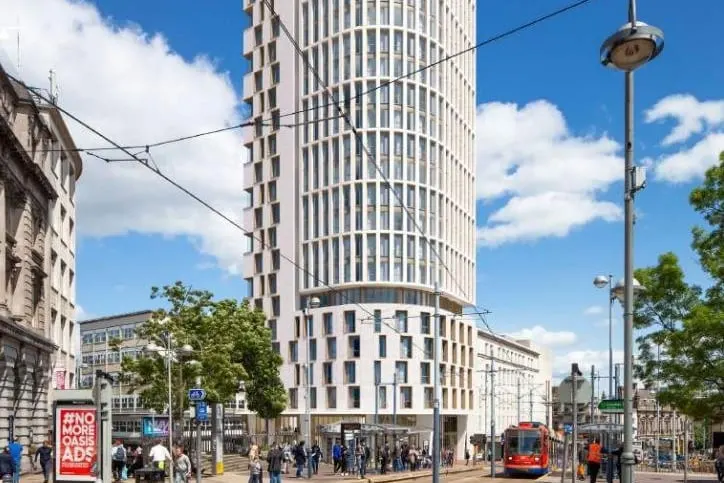
Empty buildings in Sheffield pose a significant symbolic problem for the city's future, conveying to residents and investors that the area lacks economic promise. The Old Town Hall exemplifies severe neglect after four years of ownership, with structural collapse ongoing, whilst other prominent sites including the stalled Kings Tower development on High Street, Endcliffe Sunday School, and the council-owned Salvation Army Citadel remain frozen in limbo. However, the situation is not uniformly bleak, as many other dormant buildings show signs of potential activity and owner interest, even if completion remains distant.
Recent shifts in government policy and strengthened relations with Homes England have begun channelling funding toward Sheffield's stuck development sites at Moorfoot, Cornish Works, and Sheaf Square. Yet council officials face mounting pressure to accelerate project approvals, as landlords and developers require confidence in a stable local economy and receptive decision-making before committing capital. The authority's near-complete control over planning permissions places it at the centre of whether Sheffield's recovery gains momentum or stalls further.
- Sources
- 2
- Outlets
- 1
- Left · Centre · Right
- 0 · 0 · 0
In short
- Dozens of unused buildings across Sheffield signal economic stagnation and neglect, damaging the city's prospects and public confidence
- Recent government support and funding for stalled projects are promising, but city council must accelerate approvals to rebuild landlord and developer confidence
How this story developed
- 3 months ago Empty buildings in Sheffield pose a significant symbolic problem for the city's future, conveying to residents and investors that the area lacks economic promise.
Steelman: both sides, in good faith
The strongest fair case each way — we don't pick a winner.
The case for
Accelerating planning approvals and clearing Sheffield's empty buildings is essential because their visible decay sends a powerful signal to investors and residents that the city lacks economic vitality, creating a self-reinforcing cycle of disinvestment. With government funding now available through improved relations with Homes England, the council has a rare window of opportunity to unlock developments at key sites; delays risk squandering this support and reinforcing negative perceptions that discourage capital investment. The council's control over planning permissions makes it the crucial variable—decisive action on applications could catalyse genuine recovery, whilst continued hesitation leaves those ready to invest waiting elsewhere.
The case against
Deliberation and caution in planning decisions serve Sheffield better than accelerated approvals driven by urgency or reputational anxiety, as hasty development risks producing poor-quality projects that serve developer interests rather than community needs. Some empty buildings may require preservation rather than redevelopment, and rushing decisions risks gentrification that displaces existing residents; genuine sustainable growth requires time for proper community consultation and careful assessment of whether proposed uses genuinely serve Sheffield's long-term interests. The absence of approvals may sometimes reflect legitimate concerns about structural viability or misalignment with the city's needs rather than mere administrative inertia.
Explained simply
Empty buildings are properties that have been left unused or where development has stalled. In Sheffield, prominent examples include the Old Town Hall, Kings Tower, Endcliffe Sunday School and the former Salvation Army Citadel.
The buildings matter because their condition can shape how residents, businesses and investors view the city’s prospects. Some dormant sites may still attract activity, but bringing them back into use can take time and money.
Sheffield City Council decides most local planning applications, while Homes England is the government body that supports housing and regeneration projects. Their decisions and funding can affect whether stalled sites are developed, alongside the willingness of owners and developers to invest.