Japan’s gara-kei phones fade as networks retire older services
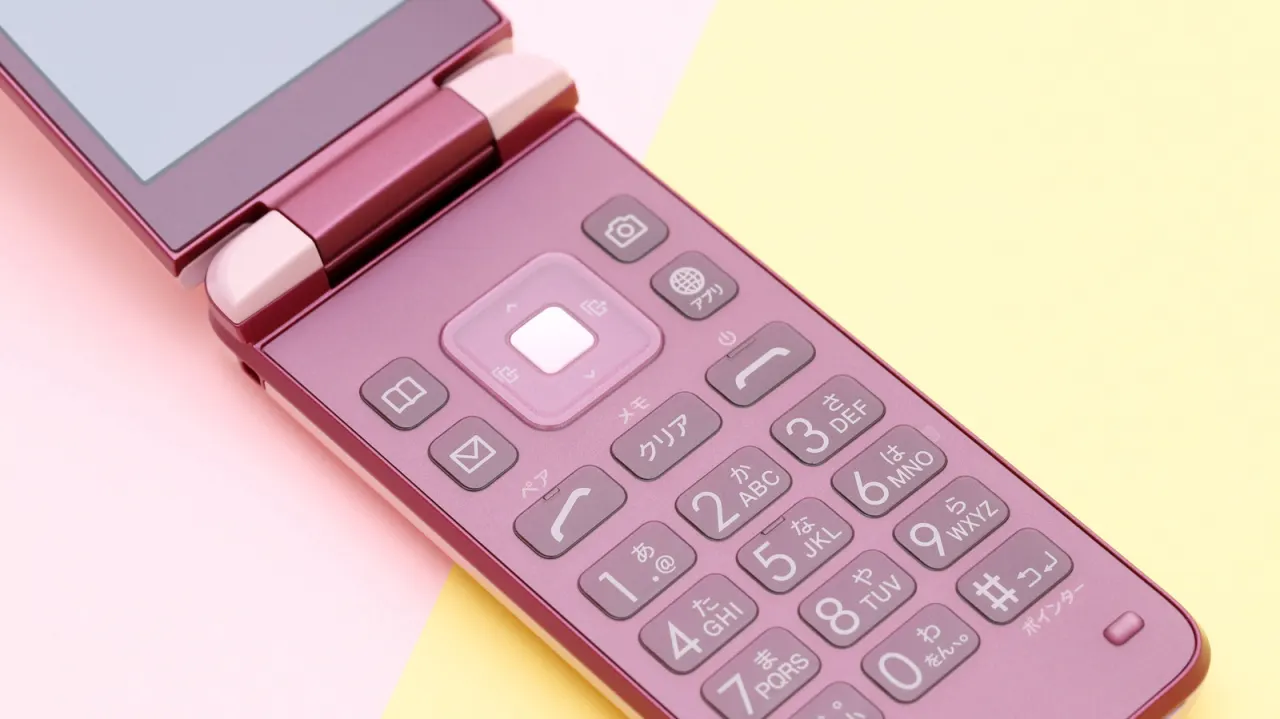
Japan’s traditional gara-kei clamshell phones are fading as owners move to smartphones and mobile networks retire older services. The shift matters because these distinctive handsets, built around Japan’s mobile ecosystem, supported everyday tasks such as paying for transport and shopping.
Smartphones made up 90 per cent of Japanese mobile phone owners in 2021 and 98 per cent in 2025, while feature phone shipments fell by more than 25 per cent to below 400,000 in the first half of fiscal 2025. NTT Docomo ended its remaining 3G data service in March, following au in 2022 and SoftBank in 2024; the change affects an estimated 500,000 people and more than 400 phone models, as well as some car navigation systems and vending machines. Japan’s ageing population and efforts to help older people use smartphones are also contributing to the transition.
- Smartphones now account for 98 per cent of Japanese mobile phone owners.
- Feature phone shipments fell below 400,000 in early fiscal 2025.
- The end of 3G is hastening the gara-kei’s decline.
New here? Start with this
Gara-kei phones are Japan's distinctive clamshell mobile handsets that became deeply integrated into the country's daily life. These devices went beyond calling and texting by supporting practical functions like paying for public transport and shopping through built-in payment systems.
Japan's major mobile networks are retiring the older 3G services that these phones depend on. NTT Docomo is the latest to do so, having ended its 3G service in March 2026, following au in 2022 and SoftBank in 2024.
The change affects an estimated 500,000 people still using these phones, along with over 400 phone models and some infrastructure like car navigation systems and vending machines. Japan's ageing population adds to the impact, as older citizens who rely on these devices are being encouraged to switch to smartphones, speeding the wider move away from the technology.
Both sides, in good faith
The strongest fair case each way — we don't pick a winner.
The case for
This transition represents necessary technological progress that benefits the vast majority. Smartphones are objectively more capable, efficient and future-proof than legacy systems; retaining 3G infrastructure ties up resources and spectrum that could strengthen 5G networks and improve services for the 98 per cent of Japanese users already on smartphones. Companies and society have legitimate business and technical reasons to consolidate infrastructure, and the market itself has decisively moved toward smartphones, suggesting this reflects genuine consumer preference rather than artificial disruption.
The case against
This transition disproportionately harms the vulnerable, particularly among Japan's elderly population who understand simpler devices and may lack the confidence or digital literacy to adapt. The speed of retirement affects 500,000 people directly and disrupts car navigation systems and vending machines, revealing a transition that extends far beyond personal choice into essential infrastructure. Societies have a responsibility to ensure technological progress does not abandon those who cannot or will not adapt, especially given demographic realities, and adequate support or longer transition periods would reflect genuine concern for equitable access.
Read the full article at the source →
Originally published by Engadget as “Why Japan said goodbye to traditional flip phones”.