Japan’s Takaichi faces criticism over comments on makeup and housework
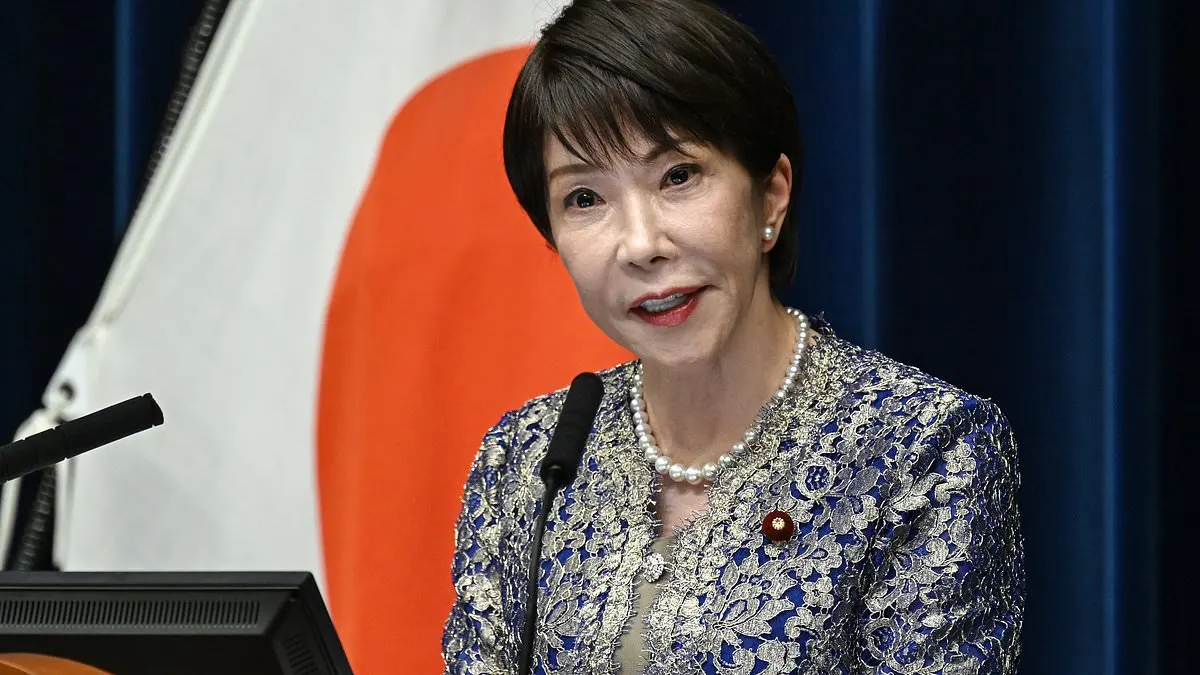
Japan’s Prime Minister Sanae Takaichi has drawn online criticism after saying her morning housework and makeup routine means she spends three or four more hours than male predecessors. Her remarks have renewed debate about gender roles and long working hours, both widely discussed issues in Japan.
Takaichi, 65, said she bathes, prepares breakfast, washes dishes and applies makeup before work, and that aides took time to understand she needed extra preparation before appearing on camera. She has no biological children but adopted her husband’s three children. Some social media users argued that many working women face even greater domestic demands, while others questioned her framing of makeup as a reason for extra time.
- Takaichi says housework and makeup add three or four hours to her day.
- Her comments have prompted debate about gender roles in Japan.
- Online critics say working women often face heavier domestic demands.
New here? Start with this
Japan has long debated how domestic work is shared between men and women, alongside concerns about demanding work schedules. Women often balance paid work with household and caring responsibilities, while expectations around appearance can also shape their working lives.
Sanae Takaichi is Japan’s prime minister and the country’s first woman to hold the office. Her experiences and comments are being discussed in the context of those wider expectations, as well as the practical demands of preparing for public and televised appearances.
Both sides, in good faith
The strongest fair case each way — we don't pick a winner.
The case for
Takaichi may have been describing the practical demands of preparing for public appearances while also handling household tasks, and acknowledging the extra time involved can make invisible work more visible. Her supporters could argue that women in senior roles should be able to speak candidly about these pressures without every personal account being treated as a claim to represent all working women.
The case against
Critics could reasonably say that presenting her routine as adding several hours risks making an individual, unusually demanding schedule sound typical, when many working women face domestic responsibilities with fewer resources or support. They may also question whether makeup should be framed as an unavoidable work burden, particularly when doing so could reinforce expectations that women must meet appearance standards.
Read the full article at the source →
Originally published by Daily Mail as “Why Japan’s PM works more hours than men: I have to put on makeup and do dishes!”.