Why Labor’s ‘High Priestess of Integrity’ needs to pay back every cent of her Washington junket: PETER VAN ONSELEN
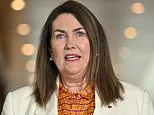
The article argues that Labor senator Deborah O’Neill should repay the cost of a Washington trip funded by lobbying firm Pyne & Partners, given her prominent role scrutinising Australia’s defence sector. It says the trip raises concerns about perceived conflicts of interest because O’Neill chaired a parliamentary defence subcommittee at the time and was elected chair of a new joint defence committee shortly afterwards.
According to the article, Pyne & Partners paid O’Neill’s airfare and accommodation for its three-day AUKUS conference in April, where tickets reportedly cost $4,950 and a dinner cost $950 per person. O’Neill delivered remarks at conference events and registered the trip on 12 May, the same day she became committee chair; her office said all declarations were made in line with the rules. The columnist contends that disclosure alone does not address the appearance of lobbyist-funded access, particularly given the $368 billion AUKUS programme under parliamentary oversight.
- Lobbyist-funded trip prompts conflict-of-interest concerns for defence committee chair.
- O’Neill says she declared the trip under parliamentary rules.
- Columnist argues she should repay the costs.
New here? Start with this
Australia’s parliament scrutinises government decisions and spending, including through committees made up of MPs and senators. AUKUS is a security partnership between Australia, the United Kingdom and the United States, involving plans for Australia to acquire nuclear-powered submarines and other defence technology.
Deborah O’Neill is a Labor senator who has held roles on parliamentary defence committees. Pyne & Partners is a lobbying firm whose founder, Christopher Pyne, is a former federal minister; the firm held a conference in Washington focused on AUKUS.
Rules require parliamentarians to declare certain gifts and travel, so the public can see who paid for them. Questions can also arise about whether outside funding might affect, or appear to affect, a politician’s independence when they scrutinise a major government programme.
Both sides, in good faith
The strongest fair case each way — we don't pick a winner.
The case for
O’Neill’s role scrutinising defence procurement and the scale of the AUKUS programme make independence and public confidence especially important. Repaying the trip costs could address the perception that a lobbying firm paid for access to a senior parliamentarian, even if she followed disclosure rules and no improper influence is shown.
The case against
If the trip was disclosed in accordance with parliamentary rules and related to a conference relevant to her public duties, accepting the invitation need not imply compromised judgement. Requiring repayment after the fact could impose a standard beyond the formal rules, particularly without evidence that the funding affected her conduct; transparent disclosure may be the more proportionate response.