Why Lindsey Buckingham called Fleetwood Mac the “anti-Eagles”
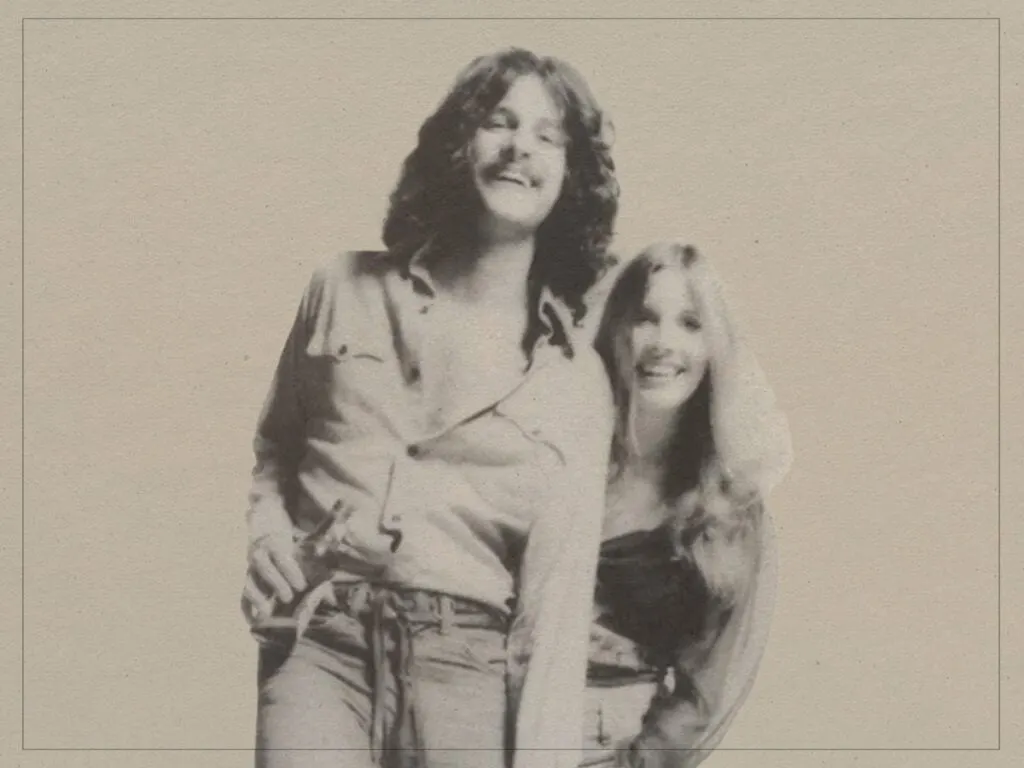
Lindsey Buckingham described Fleetwood Mac as the “anti-Eagles”, saying the band’s members were often at odds and rarely on the same page. He argued that their clashing personalities and creative differences were part of the group’s distinctive chemistry, helping produce music that endured despite the turmoil.
Buckingham contrasted Fleetwood Mac’s tensions with the Eagles’ close songwriting partnership between Don Henley and Glenn Frey, whose members shared a clear sense of direction. He admired the Eagles’ ability to want the same things at the same time, while calling Fleetwood Mac a “political minefield”. The article links this contrast to the making of *Rumours* and *Tusk*, though its final sentence is cut off.
- Buckingham called Fleetwood Mac the “anti-Eagles”.
- He said the band’s members were rarely on the same page.
- He admired the Eagles’ creative unity.
New here? Start with this
Fleetwood Mac are a British-American rock band formed in 1967. Lindsey Buckingham joined in 1975 alongside singer Stevie Nicks; the group also included Christine McVie, John McVie and Mick Fleetwood. Their different musical styles and relationships shaped the band’s work.
The Eagles are an American rock band whose best-known members included singers and songwriters Don Henley and Glenn Frey. Fleetwood Mac’s 1977 album Rumours became one of the best-selling albums of all time, while 1979’s Tusk took a more experimental direction. The contrast between the groups helps explain the different ways their members worked together and made music.