Why Michale Haneke found Steven Spielberg’s “unspeakable“ 1993 classic ‘Schindler’s List’ deeply problematic
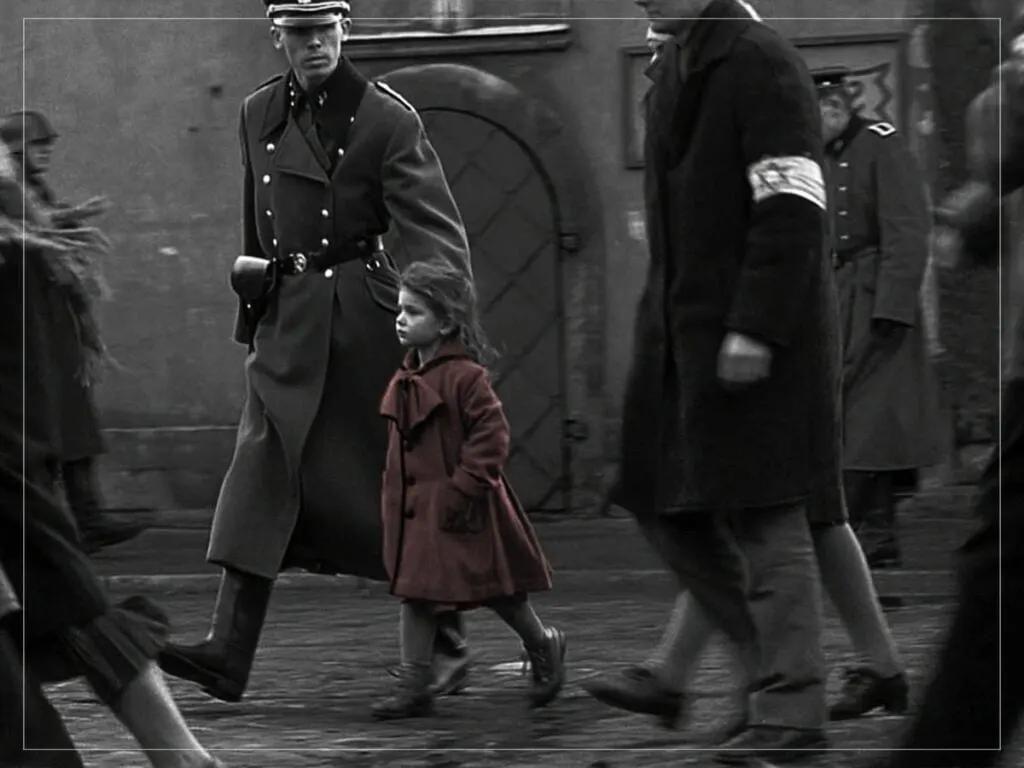
Michael Haneke criticised Steven Spielberg’s 1993 film Schindler’s List for using suspense and storytelling conventions to portray the Holocaust, arguing that such events should not be made entertaining. His objection raises a broader question about how films can represent historical atrocities and whether dramatic techniques help audiences understand them or risk distorting their meaning.
Haneke praised Alain Resnais’ 1956 documentary Night and Fog, which uses archival footage and asks viewers to consider their own response. Spielberg, by contrast, has said he sought to stay close to survivors’ accounts and make the experience memorable for a broad audience. The article also notes historical differences: the United States Holocaust Memorial Museum says Marcel Goldberg, a Jewish prisoner and camp clerk, prepared the lists of prisoners sent to Schindler’s factory, rather than Schindler himself.
In short
- Haneke called the film’s use of Holocaust suspense “unspeakable”.
- He favoured Resnais’ documentary approach in Night and Fog.
- Schindler’s List also simplifies some details of the historical record.
Steelman: both sides, in good faith
The strongest fair case each way — we don't pick a winner.
The case for
Dramatic storytelling can make history accessible to a wide audience, sustain attention and help viewers connect emotionally with victims and survivors. Spielberg’s reliance on survivors’ accounts and his aim to keep their experiences in public memory offer a case for using familiar film techniques, provided the work remains attentive to the historical record.
The case against
Using suspense and other entertainment conventions to depict the Holocaust may turn suffering into spectacle or give viewers the sense of a satisfying narrative where history offers no such resolution. Haneke’s preference for a more reflective approach, as in Night and Fog, rests on the view that confronting the limits of representation can better preserve the atrocity’s gravity and prompt audiences to examine their own response.
Explained simply
The Holocaust was the Nazi genocide of six million Jewish people during the Second World War, alongside the persecution and murder of millions of others. Oskar Schindler was a German industrialist whose actions helped save more than a thousand Jewish people from deportation and death.
Steven Spielberg’s 1993 film tells Schindler’s story through dramatised scenes, while Alain Resnais’ Night and Fog is a documentary about the concentration camps, made using archival footage. The films illustrate different approaches to representing atrocities: dramatic storytelling can reach wide audiences, while documentary methods may leave viewers to confront historical evidence more directly.
The debate also concerns how faithfully films convey events and people’s roles. The United States Holocaust Memorial Museum says the prisoner lists for Schindler’s factory were prepared by Marcel Goldberg, a Jewish prisoner and camp clerk, rather than by Schindler himself.