Why most journalists are tired of fact-checking Donald Trump
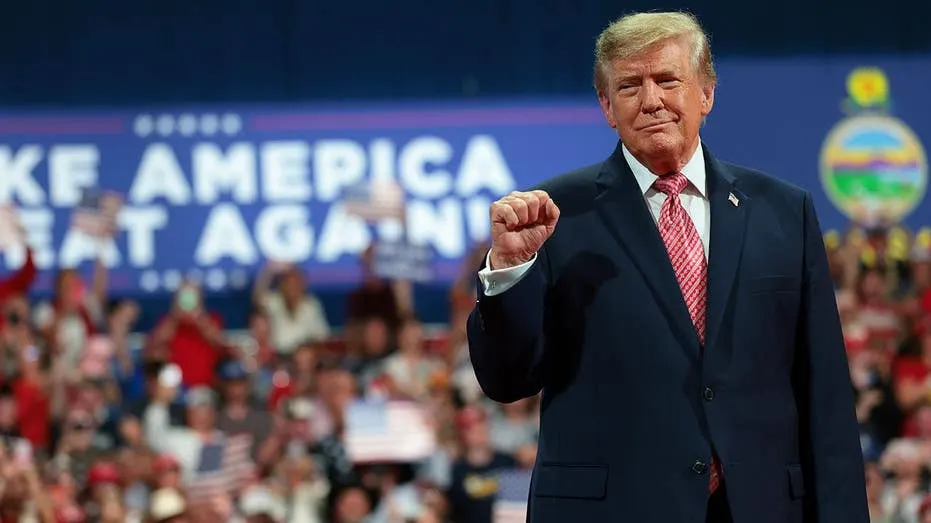
The author argues that some journalists have grown so accustomed to Donald Trump making false or shifting claims that they no longer check them consistently. They say this matters because attention can move to provocative comments, leaving more consequential actions or contradictions with little follow-up.
The article points to Trump saying he had ordered the Justice Department to intervene in an Alaska election, which Attorney General Todd Blanche disputed during interviews, and to Trump denying he had considered restoring the White House press room’s former swimming pool, despite a recent report describing that proposal. The author says Trump is adept at drawing coverage towards attention-grabbing remarks, while stressing that the criticism is about media practice rather than personal hostility towards him.
In short
- The author says journalists are becoming weary of checking Trump’s claims.
- Examples include an order to the Justice Department and a changed position on a pool.
- The piece argues provocative remarks can distract from scrutiny of policy and actions.
Steelman: both sides, in good faith
The strongest fair case each way — we don't pick a winner.
The case for
Journalists have a duty to scrutinise claims by powerful officials, especially when inconsistent statements concern government action or have already been contradicted by other reporting. If attention shifts to provocative remarks and consequential claims go unchecked, the public may be left with a less reliable account of what the administration is doing.
The case against
Newsrooms have limited time and must decide which claims merit follow-up; repeatedly checking familiar or minor disputes can crowd out reporting on new developments. Journalists may also avoid amplifying attention-grabbing statements when verification is uncertain or adds little, while relying on clear denials, prior reporting and other coverage to give readers context.
Explained simply
Donald Trump is a Republican politician who served as US president from 2017 to 2021 and returned to office in 2025. His public statements are often closely scrutinised, and news organisations decide which claims to verify and how prominently to report the results.
Fact-checking means comparing a claim with available evidence and making clear what supports or contradicts it. For journalists, the challenge is to do this consistently while covering a large volume of statements and other government activity.
The debate matters because news coverage helps readers distinguish between claims, evidence and government actions. The way journalists allocate attention can affect which issues the public notices and how clearly disagreements or inconsistencies are explained.
Entertainment Government Music Politics World