Science news and discussion on TalkFuse.
Why oat and almond milks could be bad for your health
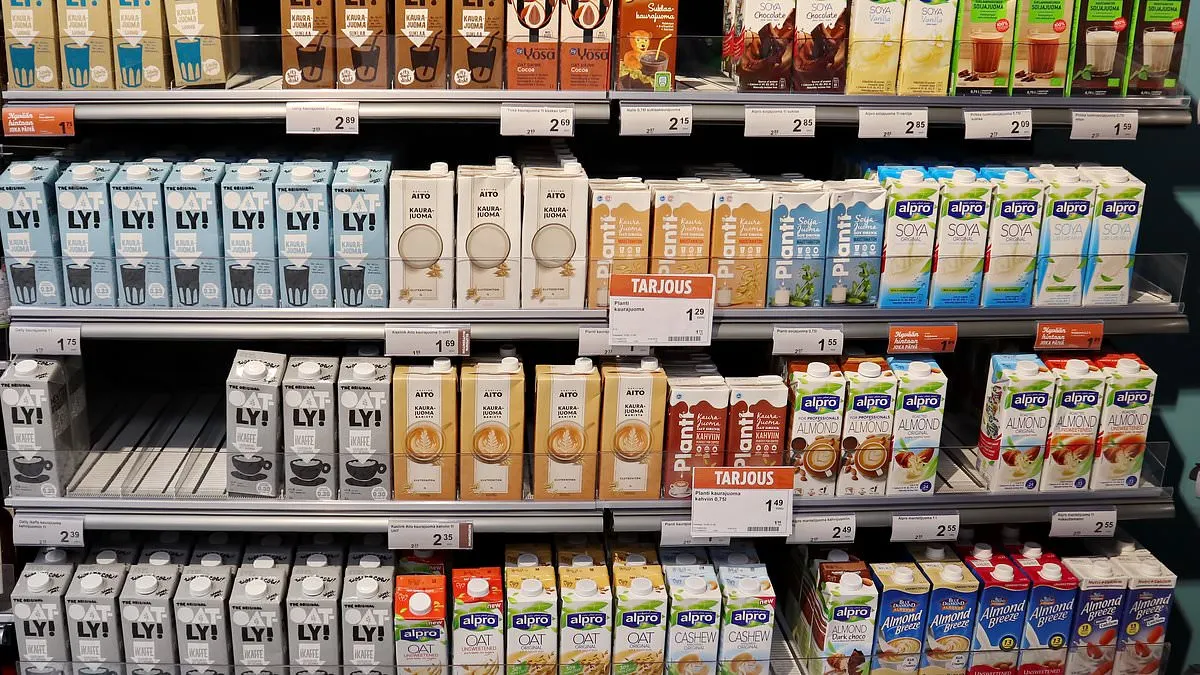
A UK study suggests that replacing dairy with plant-based milks, yoghurts and cheeses may leave people short of iodine and other nutrients, especially if the alternatives are not fortified. The researchers say children, teenagers and pregnant women could be particularly affected because iodine supports thyroid function, growth and brain development.
Researchers analysed dietary data from 3,500 people and the nutrient content of 307 plant-based products. Only 12 per cent of the products contained added iodine; replacing all dairy was associated with inadequate iodine intake in 80 per cent of teenage girls and 72 per cent of teenage boys. The study also found potential shortfalls in calcium, vitamin B12 and riboflavin, and its authors suggested fortifying alternatives and adding iodine to bread.
In short
- Many plant-based dairy alternatives contain little or no added iodine.
- Replacing dairy may increase nutrient shortfalls, especially among teenagers.
- Researchers suggest fortification and iodine added to bread.
Steelman: both sides, in good faith
The strongest fair case each way — we don't pick a winner.
The case for
Replacing dairy with plant-based alternatives that are not fortified can reduce intake of iodine and other nutrients, the study suggests. This may matter particularly for children, teenagers and pregnant women, since iodine supports thyroid function, growth and brain development; the reported shortfalls support clearer fortification and nutrition advice.
The case against
The findings do not mean oat or almond milk is inherently harmful: the concern is about nutrient intake when dairy is replaced with products that lack fortification. People can choose fortified alternatives or obtain these nutrients from other foods, and the study’s dietary analysis identifies potential risks rather than showing that plant-based milks themselves cause harm.
Explained simply
Iodine is a mineral the body needs to make thyroid hormones, which help regulate growth and development. Dairy foods are one source of iodine in the UK, while plant-based milks, yoghurts and cheeses vary in what nutrients they contain.
Oat, almond and other plant-based alternatives are made from plants and may be fortified with added nutrients, but many products are not. Researchers and public health officials are interested in whether people who replace dairy need other reliable sources of iodine and nutrients such as calcium and vitamin B12.
Children and teenagers are growing, and iodine is also important during pregnancy for a baby’s development. This makes the nutritional content of dairy alternatives relevant to families, food makers and those who set nutrition guidance.