New releases, music videos and album news — indie, rap, rock and pop. Always covering Ren, Chris Webby, Sam Tompkins, bbno$, CHINCHILLA, Muse, Yungblud and more.
Why Paul Simon fell out of love with Elvis Presley in 1957: “An incredible waste of a great talent”
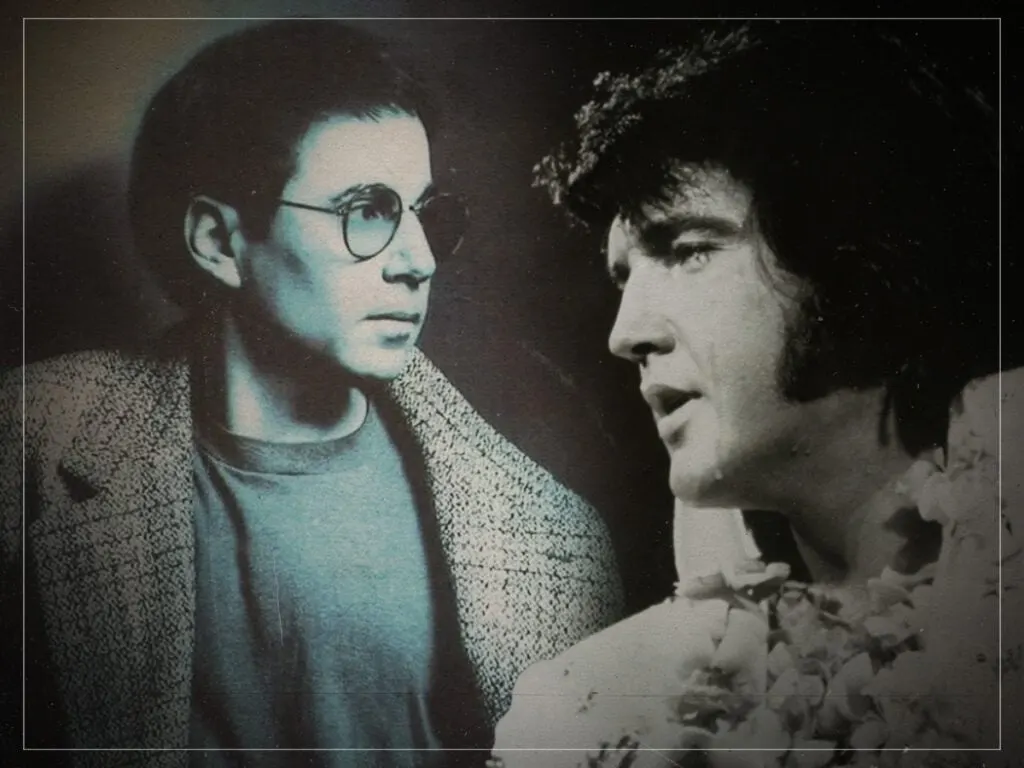
Nineteen fifty-seven marked a critical turning point in Elvis Presley's career. Having ascended to global stardom as the figurehead of rock and roll's cultural revolution, the singer began redirecting his focus toward feature films and polished commercial productions throughout that year, whilst his touring schedule contracted sharply. The arrival of his military draft notice in December symbolised the close of his most creatively vital period, as his subsequent output would increasingly favour mainstream pop sensibility over the edgier rock foundations that had defined his breakthrough.
Paul Simon, observing this trajectory from his youth, articulated a clear distinction between Elvis's two eras. Simon championed the authenticity of Elvis's original mid-1950s Sun Records catalogue—songs rooted in blues tradition and genuine rock expression—yet came to view the artistic choices that followed 1957 as fundamentally misguided. The shift toward sanitised film roles, lighter material, and distance from his blues-based authenticity represented, in Simon's assessment, a regrettable abandonment of exceptional creative potential.
In short
- Elvis Presley's artistic trajectory peaked around 1957 before he shifted toward Hollywood films and commercial ventures that diminished his rock and roll authenticity
- Paul Simon praised Elvis's early blues-influenced Sun Records material but dismissed his post-1957 career direction as squandering exceptional musical talent
Steelman: both sides, in good faith
The strongest fair case each way — we don't pick a winner.
The case for
Paul Simon's perspective reflects a critical view that Elvis's early Sun Records work demonstrated extraordinary creative power rooted in authentic blues tradition—a revolutionary voice that fundamentally changed music. From this viewpoint, the subsequent shift toward polished film roles and mainstream pop represented a tragic abandonment of this rare talent, prioritising commercial safety and industry conventions over the edgy authenticity and cultural impact that had made Elvis genuinely revolutionary in the first place.
The case against
The alternative view holds that Elvis's career direction represented legitimate artistic evolution rather than abandonment. His film work and mainstream recordings were distinct artistic expressions that showcased his vocal ability and star power in new contexts, and his continued commercial success demonstrated enduring appeal across multiple formats. From this perspective, artists naturally grow and change, and exploring different genres and mediums is a normal, creative choice rather than a waste of talent.
Explained simply
Elvis Presley was an American singer whose recordings helped bring rock and roll to a mass audience in the 1950s. His early songs for Sun Records drew on blues and country music, while his later career included films and more polished pop songs.
Paul Simon is an American singer-songwriter who rose to fame as part of the duo Simon & Garfunkel. His view of Presley’s career reflects a distinction between the raw sound of the early records and the more commercial direction that followed.
The change matters because Presley’s early work became a lasting influence on popular music, while his later choices shaped how audiences understood his career. The story centres on the tension between artistic identity and the demands of a growing entertainment industry.