Why Sammy Hagar almost didn’t join Van Halen: “I didn’t like that band”
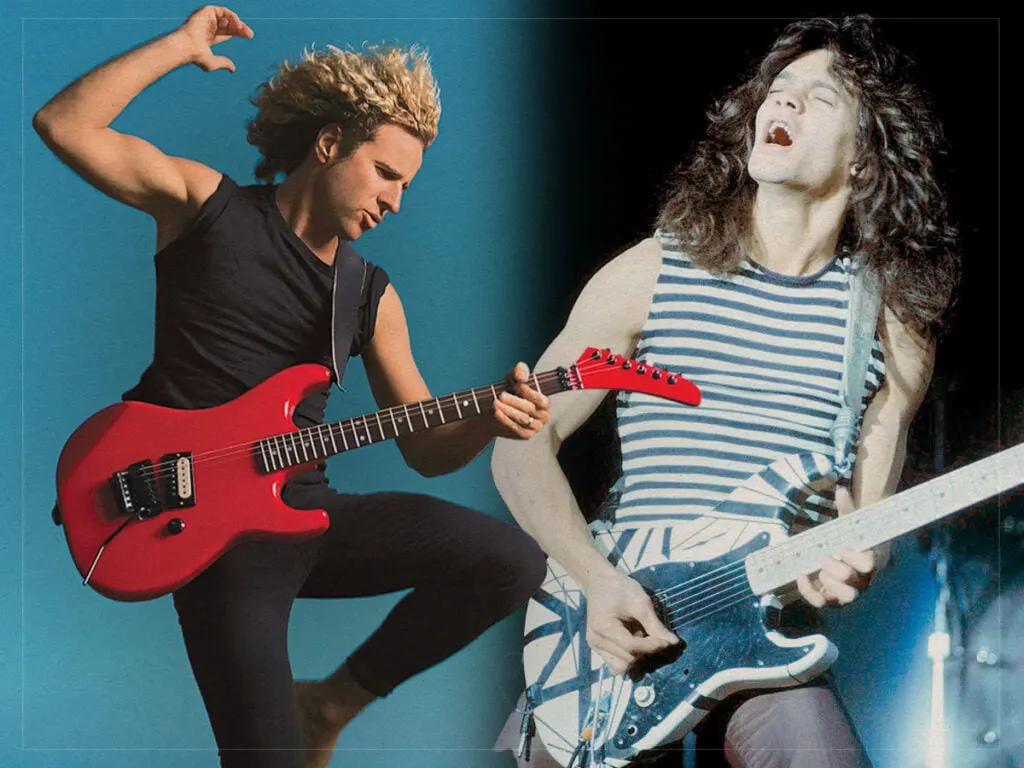
Sammy Hagar nearly turned down the chance to join Van Halen after David Lee Roth left, saying he disliked the band’s image and was unsure about its music. He admired Eddie Van Halen’s guitar playing, but did not want to imitate Roth, and the change of singer became an opportunity for the group to develop a different sound.
Hagar recalled that Eddie contacted him on his mechanic’s suggestion, and their first jam quickly showed musical chemistry. On the 1986 album *5150*, Hagar’s stronger melodic approach met Eddie’s keyboard-led ideas, producing songs such as “Dreams” and “Love Walks In”. The shift divided some fans, but helped Van Halen establish an identity distinct from the Roth years.
- Hagar hesitated because he disliked Van Halen’s image.
- He admired Eddie’s guitar playing and joined after a jam.
- The album *5150* marked a distinct new sound.
New here? Start with this
Van Halen was one of rock's most successful bands, known for Eddie Van Halen's distinctive guitar playing. When original singer David Lee Roth departed in the mid-1980s, the remaining members needed a replacement to continue as a band. Sammy Hagar, an established rock musician in his own right, eventually became the choice.
Hagar was initially reluctant to join, citing reservations about the band's image and sound. He greatly admired Eddie's guitar work but worried he would be cast as merely imitating Roth, the band's former frontman. A mutual friend helped connect Eddie and Hagar, and when they played together, they discovered strong musical chemistry.
The 1986 album 5150 showcased how Hagar's style complemented Eddie's musical direction, particularly his use of keyboards. Songs from that record such as Dreams and Love Walks In marked a shift from Van Halen's earlier work. Whilst the change in vocalist divided existing fans, it allowed the band to establish a distinct musical identity for this new chapter.
Both sides, in good faith
The strongest fair case each way — we don't pick a winner.
The case for
Hagar's arrival enabled Van Halen to evolve creatively and commercially without simply rehashing the Roth formula. Eddie gained freedom to explore keyboards and develop sophisticated melodic songwriting, resulting in successful albums and allowing the band to maintain artistic vitality and relevance. The shift represented growth rather than mere repetition, showcasing the band's broader musical capabilities.
The case against
David Lee Roth's era defined Van Halen's identity—the raw energy, spectacular showmanship, and Eddie's explosive guitar work created something genuinely distinctive. Hagar's arrival initiated a move towards a more polished, pop-oriented sound that alienated original fans and diluted the band's edge and authenticity. Whilst commercially viable, the later years represented departure from rather than evolution of what made Van Halen truly influential.