Weird & Viral news and discussion on TalkFuse.
Why Saturday Night Live’s viral Sister sketch is hitting a nerve with daughters everywhere
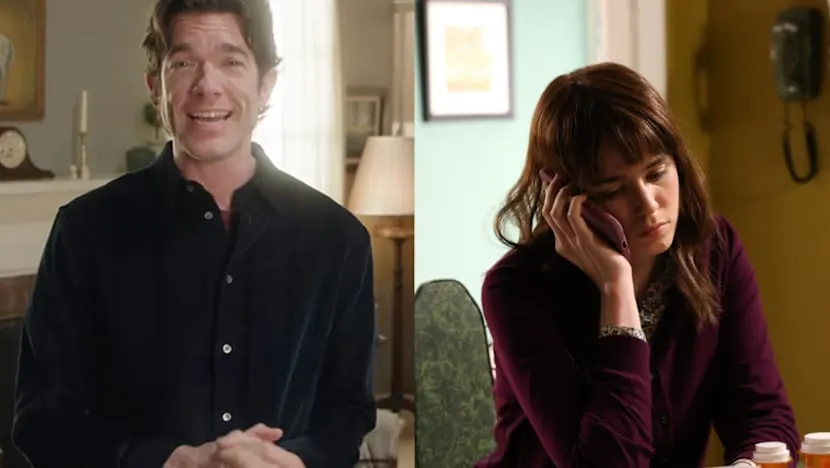
A viral Saturday Night Live sketch, “Sister”, satirises how daughters can become their parents’ default carers while their brothers continue with their lives. Its portrayal has resonated internationally because it reflects the unpaid physical and organisational work women often take on, and raises questions about how families share care.
The three-minute sketch presents “Sister” as a free, live-in, 24-hour service: after a text that “Dad fell”, she gives up her job and home to care for him. It has received seven million YouTube views and more than 12 million on Instagram, with women sharing similar experiences from several countries. In Singapore, women account for about 60 per cent of caregivers; 2024 figures also show they made up 85.7 per cent of roughly 87,100 residents out of work because of caregiving responsibilities.
In short
- SNL’s “Sister” mocks daughters being expected to care for ageing parents.
- The sketch has drawn millions of views and stories from women worldwide.
- Singapore figures show women carry a disproportionate share of care.
Steelman: both sides, in good faith
The strongest fair case each way — we don't pick a winner.
The case for
The sketch highlights a real imbalance: daughters can be expected to provide extensive unpaid care and coordination, sometimes at the cost of work, income and independence, while sons face fewer such demands. Sharing these accounts can make overlooked labour visible and encourage families to discuss care fairly and plan support before a crisis.
The case against
The sketch is satire, so its sharp contrast between a self-sacrificing daughter and absent brothers may not reflect every family’s circumstances. Caregiving choices can also be shaped by practical factors such as proximity, finances, work flexibility and the care recipient’s wishes; a fair discussion should recognise those constraints without assuming that any one family member is indifferent or at fault.
Explained simply
In many families, care for an ageing or unwell parent is shared unevenly. One adult child may take on day-to-day tasks such as arranging appointments, providing practical help and keeping track of what is needed, while siblings contribute less.
Much of this work is unpaid and can affect a carer’s job, home life and finances. Women make up a larger share of caregivers in many places; in Singapore, they account for about 60 per cent of caregivers, and most residents who were out of work because of caring responsibilities in 2024 were women.
How families divide care matters as populations age and more people need support. It also raises questions about how relatives can recognise the time involved and share responsibilities.