Why scientists watched grass grow for 170 years
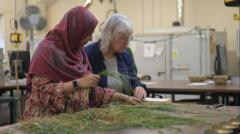
Scientists at Rothamsted Research in Harpenden, Hertfordshire, have been running the Park Grass Experiment for 170 years, making it the world's oldest continuous study of permanent grassland. Begun in 1856 by founders Sir John Bennet Lawes and Joseph Henry Gilbert to examine how fertilisers and manure affect hay yields, the study has evolved far beyond its original purpose, now underpinning modern research into soil health, biodiversity and climate change using techniques the Victorians could never have anticipated, such as DNA analysis.
The experiment covers just under three hectares divided into plots treated with different nutrients, allowing researchers to compare their effects on grass growth, soil composition and diversity. Crucially, the founders preserved crop and soil samples alongside weather records, creating an archive – including 170-year-old grass – that lets scientists track long-term environmental change, such as the sharp decline in airborne nitrogen and sulphur deposits since Britain changed how it generates power and fuels vehicles. Researchers including soil scientist Andy Gregory and data curator Dr Sarah Perryman say the site remains "cutting edge" rather than a museum piece, with future work focusing on how climate change and shifting weather patterns, such as drier springs, are affecting yields.
- Rothamsted's Park Grass Experiment has run since 1856, the oldest of its kind.
- Preserved soil, grass and weather archives reveal long-term environmental change.
- Research now focuses on climate change's impact on grassland yields.